Maintaining optimal oral health is crucial for your overall well-being. While regular visits to the dentist are essential, many people don’t realize that their daily habits significantly impact their oral hygiene. Here are three practical tips you can incorporate into your everyday routine to improve your oral health and protect your smile.
Tip #1: Avoid Chewing Ice
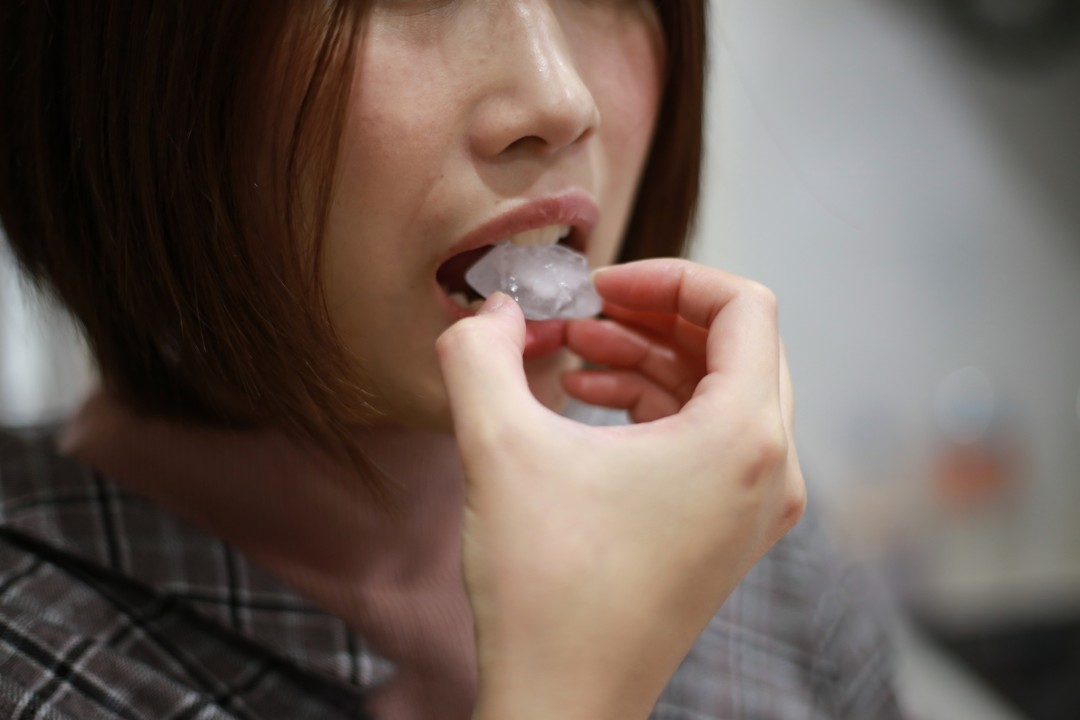
Chewing ice may seem harmless, but it can pose serious risks to your dental health [1]. Ice is hard, and when chewed, it can cause:
- Cracks or chips in your teeth. The hardness of ice can lead to dental fractures, which might require restorative work.
- Damage to dental work. Existing fillings, crowns, or veneers can be compromised when chewing on ice.
- Sensitivity issues. Microfractures and other enamel damage from constant ice chewing can result in increased tooth sensitivity.
If you’re in the habit of chewing ice, consider substituting with a healthier alternative, like sipping ice water, to satisfy your urge without harming your teeth.
Tip #2: Limit Acidic Drinks With Low pH
Acidic beverages, such as sodas, energy drinks, and even some fruit juices, can harm your teeth by eroding enamel and increasing the risk of cavities [2]. These beverages have a low pH and are acidic, which can wear on your teeth over time.
When consuming these beverages frequently, the enamel that protects your teeth can wear down, and the underlying dentin becomes exposed, which can cause sensitive teeth, discoloration, and tooth decay.
Tip #3: Master the Art of Flossing
Brushing alone isn’t enough to remove all the food particles and plaque from your teeth. Flossing is an essential step in maintaining oral health, as it targets areas your toothbrush can’t reach, like the sides of your teeth where two teeth touch [3].
Here’s how to floss effectively:
- Use about 18 inches of floss and wrap it around your middle fingers, leaving about 1-2 inches to work with
- Gently guide the floss between your teeth
- Curve the floss around each tooth and slide it up and down beneath the gum line
- Use a fresh section of floss for each tooth to avoid spreading plaque or bacteria
If traditional flossing is challenging, consider alternatives like floss picks or water flossers, which can also be effective in maintaining a healthy smile.
Take Action for a Healthier Smile
Improving your oral health starts with small daily changes that can lead to significant results over time. Have questions about your oral health, or are you due for a check-up? Contact your dentist today to schedule a consultation, learn more tips for your oral health, and keep your teeth and gums in top shape for a lifetime of healthy smiles!
Sources:
- https://healthcare.utah.edu/healthfeed/2023/06/love-chewing-ice-its-not-good-your-teeth
- https://www.mouthhealthy.org/nutrition/sugary-drinks
- https://www.mouthhealthy.org/all-topics-a-z/flossing