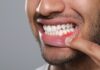
Gum bleeding is a common dental issue that many people experience from time to time. It can occur as a result of various factors, ranging from poor oral hygiene to underlying medical conditions.
However, many people wonder if smoking or vaping could contribute to gum bleeding. To address this, it’s essential to understand the effects these habits have on oral health. Here’s what you need to know when it comes to bleeding gums and smoking and vaping.
The Impact of Smoking on Oral Health
Smoking is well-known for its detrimental effects on overall health, and oral health is no exception. Here’s how smoking contributes to gum bleeding and other oral health issues:
- Reduced blood flow. Smoking constricts blood vessels, including those in the gums, which leads to reduced blood flow. This diminished circulation can cause the gums to become more susceptible to infections and bleeding.
- Compromised immune response. Smokers tend to have a weakened immune system, which affects their body’s ability to fight off infections, including those in the mouth. This can result in persistent gum inflammation and bleeding.
- Tartar and plaque buildup. Smoking increases the accumulation of tartar and plaque on teeth, which can lead to gum disease, the primary cause of gum bleeding, and tooth decay [1].
Vaping: A New Threat to Gum Health
Many people mistakenly think that vaping is better than smoking, but this is far from true. Here are some ways in which vaping might influence gum bleeding:
- Nicotine effects. Most e-cigarettes contain nicotine, which has a similar impact on blood flow and immune response as smoking. It contributes to reduced gum health, potentially causing bleeding.
- Chemical exposure. E-liquids in vapes contain harmful chemicals, the long-term effects of which on gums are still being studied. Some preliminary research suggests these chemicals may irritate gums and promote inflammation.
- Increased risk of periodontitis and tooth decay. Research shows that vaping increases the risk of gum disease and tooth decay compared to not smoking, though the oral health effects are less severe than those of traditional cigarettes [2].
Identifying Signs of Gum Disease
Gum bleeding is often a symptom of gingivitis, the earliest stage of gum disease. Understanding the warning signs of gum disease can help you seek treatment as soon as possible. Look out for:
- Swollen or tender gums
- Persistent bad breath
- Receding gums
- Loose teeth
If you notice these signs, it is crucial to address them promptly, as ignoring them can lead to more severe oral health problems, including periodontitis and tooth loss [3].
Take the Best Care of Your Gums
If you experience gum bleeding or any other symptoms of gum disease, it’s time to seek professional advice. Contact your dentist to schedule an appointment and discuss your concerns about gum health today. Together, you can create a plan to improve and maintain healthy gums!
Sources:
- https://www.fda.gov/tobacco-products/health-effects-tobacco-use/how-tobacco-use-affects-oral-health
- https://pmc.ncbi.nlm.nih.gov/articles/PMC10972225/
- https://www.ncbi.nlm.nih.gov/books/NBK557422/#