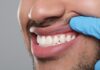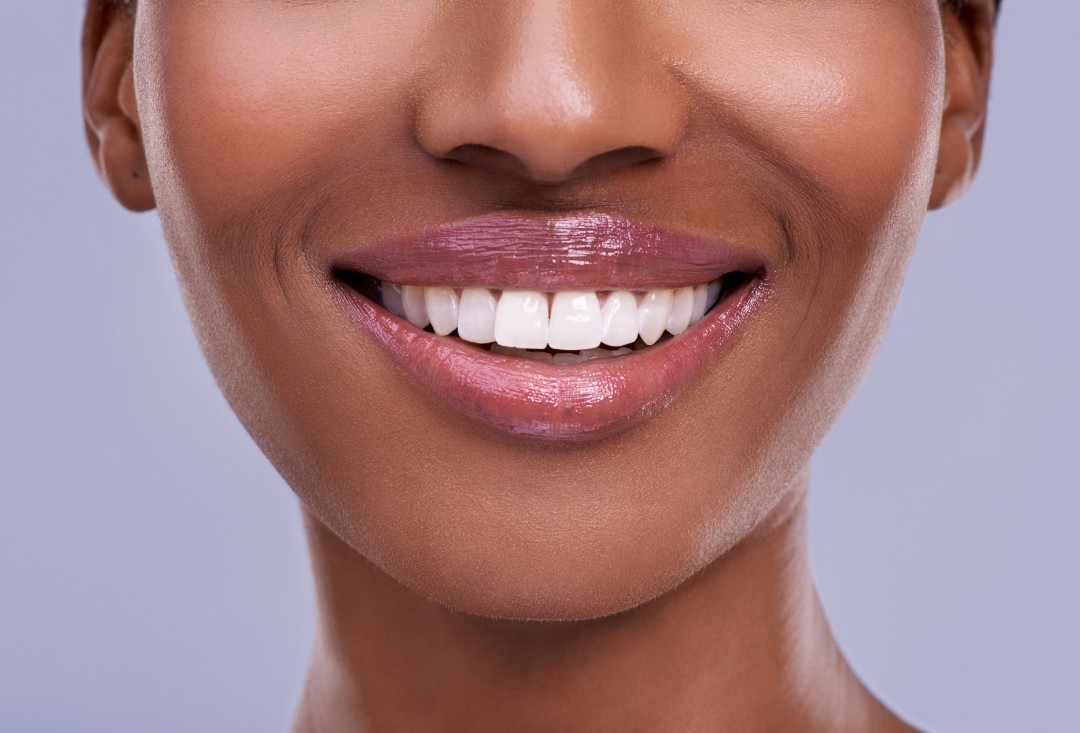
A gummy smile, known in dental terms as an excessive gingival display, refers to when a significant portion of the gums shows above the top teeth when smiling. While some people may be self-conscious about their gummy smiles, it’s worth noting that this is a common trait shared by many.
Understanding the causes and potential treatments can help in determining if it’s a natural characteristic or if it requires attention. Here, we explore whether a gummy smile is genetic and how you can improve your smile.
Genetics and Development
Being born with a gummy smile is often attributed to genetics. Just as you inherit other physical traits, the structure of your gums and teeth is influenced by your genetic makeup. If one or both of your parents have a gummy smile, you may have inherited it as well.
Gummy smile can be caused by disproportionate crown length or a hypermobile upper lip or a short upper lip [1]. All of these things can be influenced by genetics.
Tooth Eruption Patterns
Sometimes, a gummy smile can be due to the way your teeth have erupted from the gums during development. If the teeth are partially covered by gum tissue or if they haven’t erupted completely, it can create the appearance of a gummy smile. This is known as altered passive eruption and is fairly common.
Bone and Lip Structure
The positioning of the jawbone and how it relates to the upper lip can also play a significant role in the development of gummy smile. If the upper jaw protrudes or the lip is shorter or hypermobile, more gum tissue may show when you smile. These structural elements can be inherited traits or could develop over time due to various factors.
Medication-Induced Gingival Hyperplasia
Certain medications can cause gum overgrowth that contributes to a gummy smile appearance [2]. The main culprits include anticonvulsants (like phenytoin for seizures), calcium channel blockers (like nifedipine for high blood pressure), and immunosuppressants (like cyclosporine after organ transplants).
These drugs cause excessive gum tissue growth that typically begins within one to three months of treatment, making gums appear more prominent when smiling. If you suspect medication is affecting your gums, discuss alternatives with your physician and dentist.
Treatment Options for a Gummy Smile
If your gummy smile is a cosmetic concern or causes discomfort, several treatment options are available, including:
- Orthodontics. Braces or clear aligners can help in positioning teeth or jaw structures to reduce gum exposure.
- Periodontal surgery. Procedures like crown lengthening can reshape the gum line for better smile aesthetics.
- Botox injections. Botox can reduce excessive upper lip movement when smiling, correcting the appearance of gummy smile [3].
- Lip surgery. In some cases, a surgical procedure can permanently correct a hyperactive upper lip.
Consulting a Professional
Determining whether a gummy smile requires attention or treatment starts with consulting a dental professional. They can provide a proper diagnosis and recommend appropriate solutions based on individual needs and preferences.
If you have questions or concerns about your gummy smile and what options might be available to you, reach out to your dentist to discuss the best path forward. Your dental health and confidence in your smile are important, and expert guidance can help you make informed decisions!
Sources:
- https://www.sciencedirect.com/science/article/pii/S1073874624000033
- https://pmc.ncbi.nlm.nih.gov/articles/PMC8481201/
- https://www.ncbi.nlm.nih.gov/books/NBK470437/