Cracked teeth are a common dental issue that can occur for various reasons, including biting on hard foods, traumatic injury, or teeth grinding.
A cracked tooth occurs when a fracture develops in the tooth enamel and possibly extends into the dentin or pulp. This can result in symptoms like pain or discomfort when chewing, sensitivity to temperature changes, or even a sharp pain that comes and goes [1].
While some may hope that a cracked tooth might heal naturally, understanding the nature of cracked teeth is crucial in determining the best course of action to maintain oral health.
Types of Tooth Cracks
There are several different types of tooth cracks, including:
- Craze lines. These are superficial cracks in the tooth’s enamel that are often shallow and do not cause pain, and often do not require treatment [2].
- Fractured cusp. Occurs when the pointed part of the chewing surface of the tooth breaks off, and it usually does not harm the pulp.
- Cracked tooth. This type of crack usually extends from the chewing surface toward the root, potentially affecting the pulp.
- Split tooth. This is when a crack has created two distinct segments of the tooth.
- Vertical root fracture. Begins at the root and moves upwards, often causing severe damage.
Since tooth enamel does not regrow, a cracked tooth cannot heal on its own. Regardless of whether you have a fractured cusp or a split tooth, treatment is necessary.
Consequences of Untreated Cracked Teeth
Neglecting a cracked tooth can lead to several complications. The crack can enlarge over time, leading to increased pain, infection, or even loss of the tooth. For deeper cracks, if the pulp becomes infected, it may require more intensive treatment such as root canal therapy.
Treatment Options for Cracked Teeth
A cracked tooth requires professional intervention to prevent tooth infection, decay, and tooth loss. The type of treatment varies based on the severity and type of crack:
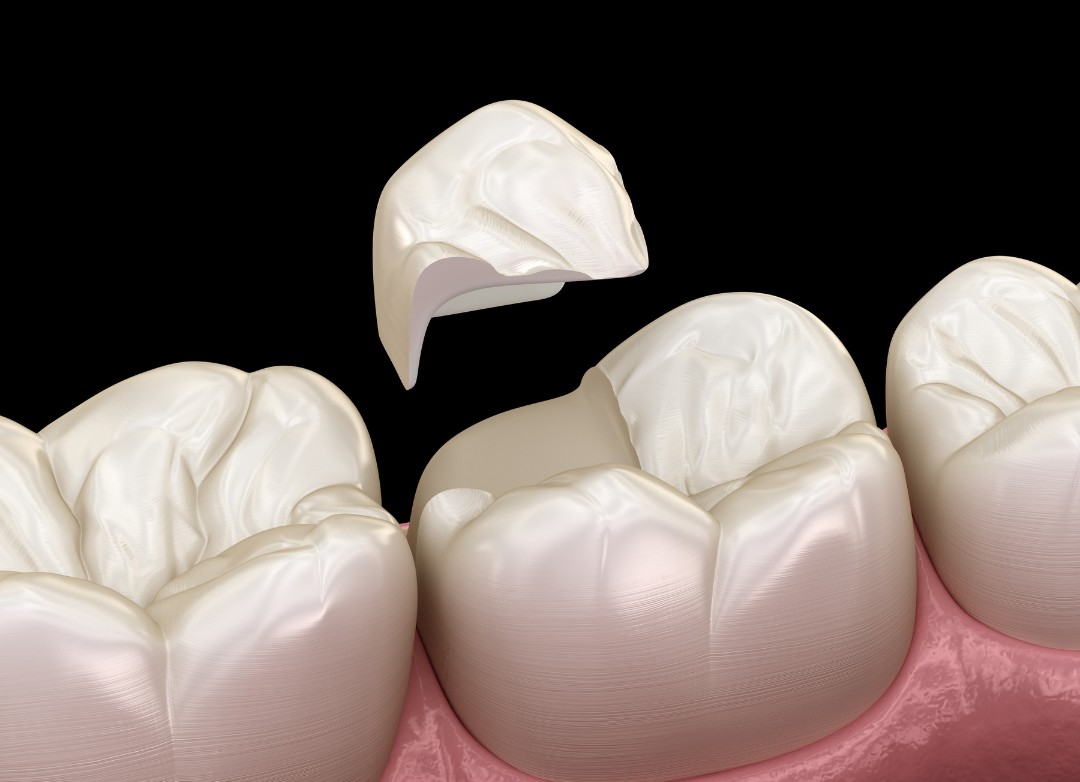
- Dental bonding. Minor cracks can often be repaired with a tooth-colored composite resin, similar to that used in fillings [3].
- Dental crowns. For more substantial cracks, a crown might be used to provide strength and protection to the tooth.
- Root canal therapy. If a crack affects the pulp, a root canal might be necessary to remove infected tissue and save the tooth.
- Extraction. In cases where the tooth is severely cracked and cannot be saved, extraction might be the only viable option.
Do You Have a Cracked Tooth?
If you suspect that you have a cracked tooth or are experiencing any discomfort, it’s crucial to consult with a dentist as soon as possible. Early intervention can prevent further complications and help maintain optimal oral health. Schedule an appointment with your dentist today to discuss your symptoms and explore your treatment options.
Sources:
- https://www.aae.org/patients/dental-symptoms/cracked-teeth/
- https://pmc.ncbi.nlm.nih.gov/articles/PMC8694987/
- https://jada.ada.org/article/S0002-8177(14)64128-3/fulltext