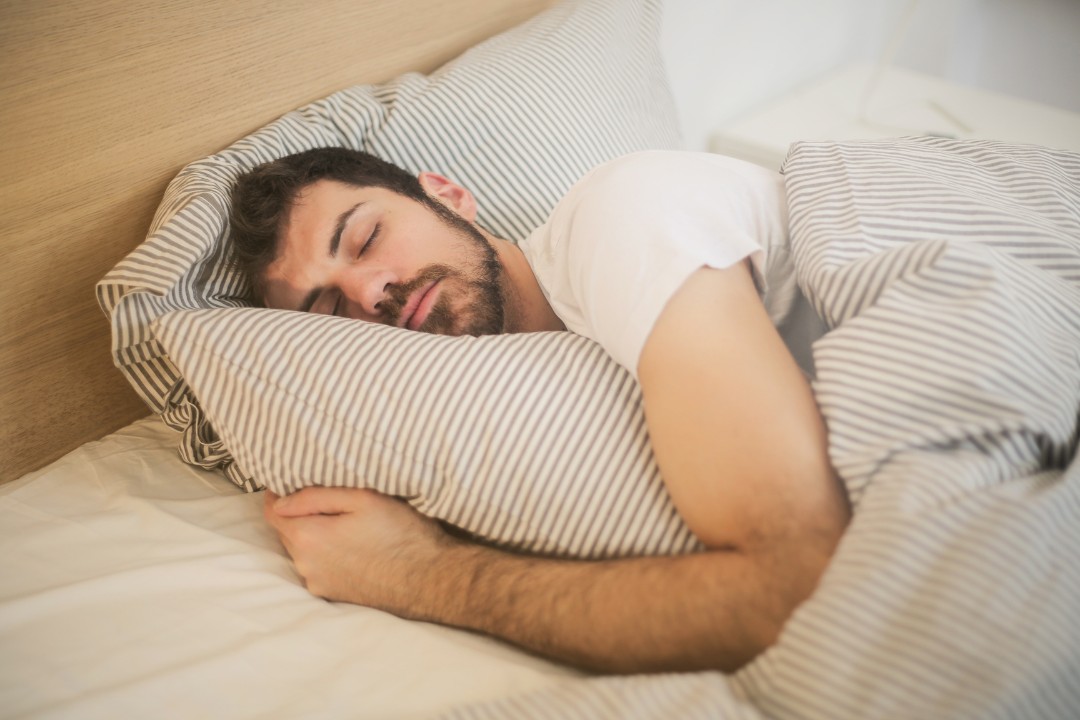
Sleep is an essential component of overall well-being, playing a crucial role in the restoration and recovery of the body. However, the influence of sleep extends beyond just affecting your physical or mental health.
Many people don’t realize that their dental health is also significantly impacted by their sleep habits. Here’s how certain sleep habits and disorders can affect your oral health.
Sleep Deprivation and Poor Sleep Quality
Not getting enough quality sleep can take a toll on your oral health. When you’re sleep-deprived, your immune system weakens, making it harder for your body to fight off the bacteria that cause gum infections and tooth decay.
Poor sleep quality also affects your oral hygiene habits. When you’re exhausted, you’re more likely to skip brushing before bed or rush through your routine without proper flossing. Sleep deprivation can also lead to increased consumption of sugary foods and caffeinated beverages throughout the day as you try to boost your energy—both of which can harm your teeth and gums.
Adequate sleep helps regulate key hormones like cortisol and melatonin that keep inflammation in check throughout your body, including in your gums. Poor sleep disrupts this hormonal balance, causing inflammatory proteins to increase and creating an environment where periodontal (gum) disease can progress more rapidly [1].
Sleep Apnea
Sleep apnea is a disorder that causes brief interruptions in breathing during sleep. These interruptions can leave people feeling fatigued despite getting a full night’s rest.
A common symptom associated with sleep apnea is dry mouth, which occurs when breathing happens through the mouth instead of the nose [2]. Saliva acts as a natural defense mechanism, helping to rinse the mouth and neutralize harmful acids produced by bacteria.
Dry mouth may not seem like a big deal, but it can lead to an increased risk of cavities, gum disease, and chronic bad breath.
Bruxism (Teeth Grinding)
Bruxism is another sleep-related condition where people unconsciously grind or clench their teeth. This can happen both during the day and while sleeping. Chronic bruxism can result in:
- Tooth enamel erosion
- Increased tooth sensitivity
- Jaw pain and temporomandibular joint (TMJ) disorders
- Cracked or chipped teeth
If you wake up with a headache, sore jaw, or sore teeth, you may have been grinding your teeth during the night [3].
The Importance of a Sleep-Friendly Environment
As we’ve seen, getting better sleep can give you the foundation you need for excellent oral health. Consider these tips to improve your sleep hygiene:
- Establish a consistent sleep schedule by going to bed and waking up at the same time every day
- Limit exposure to screens and blue light an hour before bedtime
- Create a restful environment that is cool, dark, and quiet
- Avoid heavy meals, caffeine, and alcohol close to bedtime
Your Dentist Can Help
If you’ve noticed signs of bruxism, dry mouth, or other oral health issues, it’s important to reach out to your dentist. They can guide you on effective treatments, provide advice tailored to your situation, and collaborate with sleep specialists if needed to improve your sleep habits for better dental health. Contact your dentist today for a professional evaluation and personalized care plan!
Sources:
- https://pmc.ncbi.nlm.nih.gov/articles/PMC6169263/
- https://www.nhlbi.nih.gov/health/sleep-apnea/symptoms
- https://www.nidcr.nih.gov/health-info/bruxism#symptoms