Everyone has dealt with anxiety in some form. For some people, it’s just “butterflies in your stomach.” For others, it’s much more. You may know that anxiety can have an adverse effect on several systems in your body, but did you know it can also impact your oral health?
When you feel anxious, your body releases cortisol, a hormone that helps manage stress. However, chronic anxiety keeps your cortisol levels elevated, disrupting your body’s natural balance. Over time, this can negatively affect multiple systems, including your oral health, by increasing inflammation and weakening your body’s ability to protect itself.
Increased Inflammation in the Gums
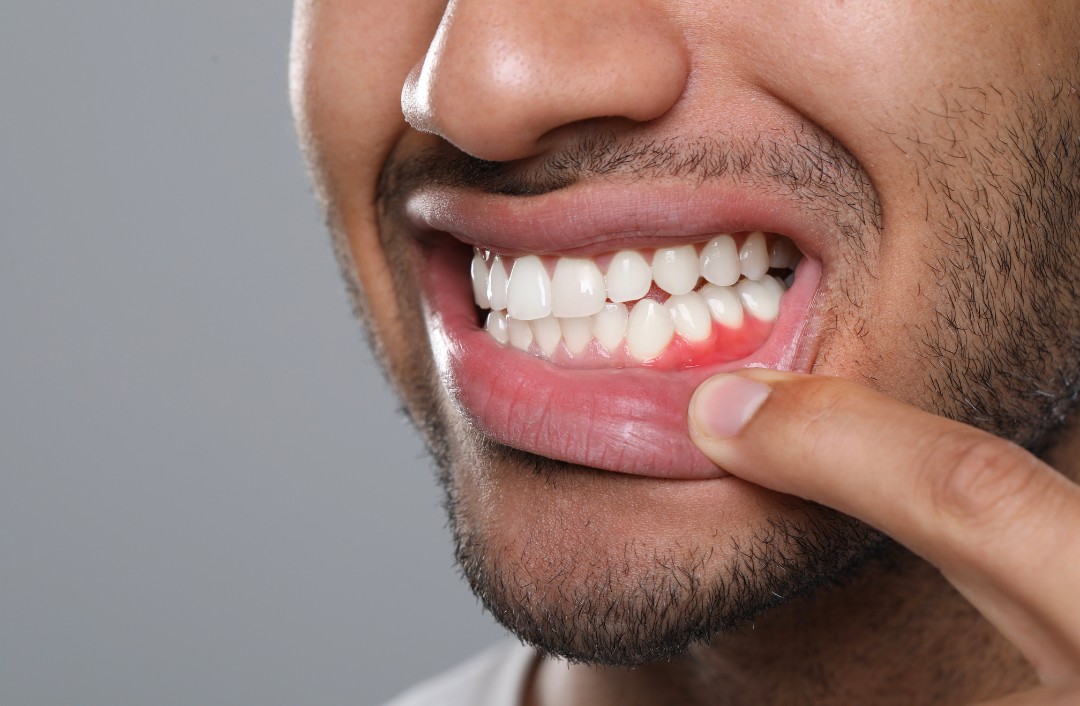
Chronically elevated cortisol levels can trigger widespread inflammation, including in your gum tissue. This can lead to redness, swelling, tenderness, and bleeding (typical signs of gingivitis). If this gum inflammation persists, it may progress into gum disease, which, if left untreated, can eventually damage the supporting structures of your teeth and potentially lead to gum recession or tooth loss.
A Weakened Immune System
Chronic stress doesn’t just cause inflammation; it also suppresses your immune system, making it harder for your body to fight off harmful oral bacteria. As a result, plaque buildup can accelerate, increasing your risk of cavities, infections, and advanced gum disease.
Teeth Grinding and Enamel Wear
Anxiety often manifests physically through habits like clenching or grinding your teeth, known as bruxism. Clenching and grinding can happen during the day or while you sleep without you even realizing it. Over time, grinding your teeth will wear down the protective enamel, leading to tooth sensitivity, chips, cracks, and a higher risk of decay.
Dry Mouth and Increased Cavity Risk
Have you ever gotten dry mouth when you’re nervous? The reason is that stress and anxiety reduce saliva production. Saliva is essential for neutralizing acids and washing away bacteria. When your saliva levels drop, your mouth becomes more acidic, increasing your risk of cavities, bad breath, and overall oral discomfort.
Protect Your Oral Health From the Effects of Stress
Managing your anxiety is essential, not only for your overall well-being but also for your smile. Practicing stress-reduction techniques, maintaining excellent oral hygiene, and keeping up with regular dental visits can help minimize the harmful effects of stress on your smile. If you notice symptoms like jaw pain, tooth sensitivity, or bleeding gums, it’s time to schedule a visit to your dentist. They can recommend solutions tailored to your oral health concerns to help protect your teeth and gums long-term.