Many people may not be aware that stress isn’t something that just affects your mood; it can also take a serious toll on your oral health. One of the most common ways this happens is when anxiety causes teeth grinding and clenching, a condition known as bruxism. Grinding your teeth often happens without you even realizing it, especially while you sleep. If left untreated, bruxism can lead to discomfort, tooth damage, and long-term dental concerns.
How Stress Leads to Teeth Grinding
When you’re feeling anxious or stressed, your body often responds by tensing your muscles. This tension can manifest anywhere, including in your jaw, causing you to unconsciously clench or grind your teeth. Nighttime bruxism is particularly common because your body processes stress while you sleep, leading to repetitive grinding motions that you may not notice until symptoms appear.
In some cases, daytime grinding can also occur, especially during periods of intense concentration, frustration, or anxiety.
Signs You May Be Grinding Your Teeth
Because bruxism often happens while you sleep, you may be unaware of it until symptoms develop. Some common warning signs include:
- Persistent jaw soreness or tightness
- Morning headaches or earaches
- Increased tooth sensitivity
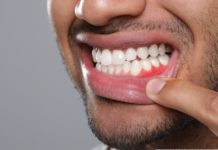
- Flattened, chipped, or worn-down teeth
- Clicking or popping in the jaw (TMJ issues)
- Disrupted sleep
If you notice any of the above symptoms, it’s important to address them early to prevent more significant damage.
How Bruxism Can Affect Your Oral Health
Chronic teeth grinding can gradually wear down your tooth enamel (the protective outer layer of your teeth), making them more vulnerable to decay and sensitivity. It can also lead to cracks, fractures, or even tooth loss. Additionally, the constant strain on your jaw muscles and joints can contribute to disorders of the temporomandibular joint (TMJ), causing chronic pain and limited jaw movement.
Treatment Options for Bruxism
The good news is that bruxism is treatable. Your dentist may recommend a custom night guard to protect your teeth while you sleep and help reduce the impact of grinding. Stress management techniques, such as exercise or meditation, can also help address the root cause of your bruxism.
Other strategies for easing stress include avoiding caffeine before bed, practicing good sleep hygiene, and being mindful of daytime teeth clenching habits. In more advanced cases of bruxism, treatments like muscle relaxants or BOTOX® injections may be used to reduce jaw tension.
Keeping Your Smile Stress-Free
Managing stress is not only important for your overall well-being, but it’s also essential for maintaining a beautiful, healthy smile. By recognizing the signs of bruxism and visiting your dentist for treatment as early as possible, you can prevent long-term damage to your smile and keep your teeth strong and protected.