Jaw clenching is related to teeth grinding and can be classified under bruxism, the technical term for teeth grinding [1]. Jaw clenching is usually involuntary, meaning we don’t mean to clench our teeth; rather, it happens as the result of physical or emotional stress.
Both teeth grinding and jaw clenching can have short and long-term impacts on your oral health and wellbeing—here’s how.
Headaches and Muscle Tension
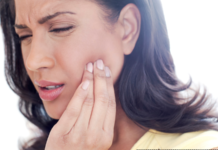
Teeth grinding and jaw clenching is often associated with the presence of headaches and muscle tension in the head, neck, and face, especially upon waking, but during the day as well [2].
Both headaches and muscle tension are symptoms that can happen short and long-term with jaw clenching. The longer the jaw clenching goes on or the more severe it is, the more likely headaches and muscle tension will result.
If jaw clenching is severe or prolonged, the pain can also feel as though it is radiating out from the jaw to affect the ears, neck, and even the upper back.
Enamel Erosion and Gum Inflammation
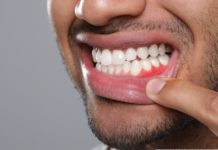
Your teeth are meant to sustain wear and tear throughout your life. However, people who clench their jaw have a higher risk of damage to their teeth, including enamel erosion and gum inflammation [3]. Jaw clenching puts unnatural pressure on the teeth and can lead to enamel damage and inflamed periodontal tissue.
Both of these symptoms are often seen in long-term cases of jaw clenching. In severe cases or with repeated jaw clenching over a long period of time, broken or cracked teeth can even result.
Enamel erosion, gum inflammation, and fractured teeth can all result in tooth sensitivity and increase your risk for tooth decay and infections.
Damaged Dental Restorations
Jaw clenching can damage any existing restorations you may have, including fillings, crowns, bridges, veneers, or dentures [4]. Although dental restorations are designed to be sturdy and last for as long as possible, jaw clenching puts such pressure on the teeth that it can cause restorations to warp, chip, or crack.
Damage can happen with both short and long-term clenching habits. Since jaw clenching can shorten the lifespan of dental restorations and cause damage to your natural teeth as well, addressing this issue is imperative to protecting your teeth and ensuring any restorations you have last.
TMJ Symptoms
Clenching your jaw has also been associated with temporomandibular joint (TMJ) symptoms [5]. These symptoms typically show up in long-term cases and can include:
- Difficulty opening your mouth
- Pain in your jaw when speaking or chewing
- Clicking or popping noises when the jaw is in motion
- Muscle tension, stiffness, and pain in the jaw
If you notice you have any of these symptoms in combination with headaches, tooth sensitivity, or even damaged dental restorations, it’s possible you could be clenching or grinding your teeth and not realize it.
Do You Clench Your Jaw?
Clenching your jaw can have many short and long-term impacts to your oral health. Fortunately, you don’t have to suffer the consequences of teeth clenching and grinding. Ask your dentist about your jaw clenching habits during your next checkup to see if you could be damaging your teeth—and if you need a mouthguard to help protect them!
Sources:
1. https://www.ncbi.nlm.nih.gov/pmc/articles/PMC3081266/
2. https://www.frontiersin.org/articles/10.3389/fneur.2020.564431/full
3. https://www.ncbi.nlm.nih.gov/pmc/articles/PMC2934876/
4. https://www.mayoclinic.org/diseases-conditions/bruxism/symptoms-causes/syc-
20356095
5. https://www.nidcr.nih.gov/health-info/tmd