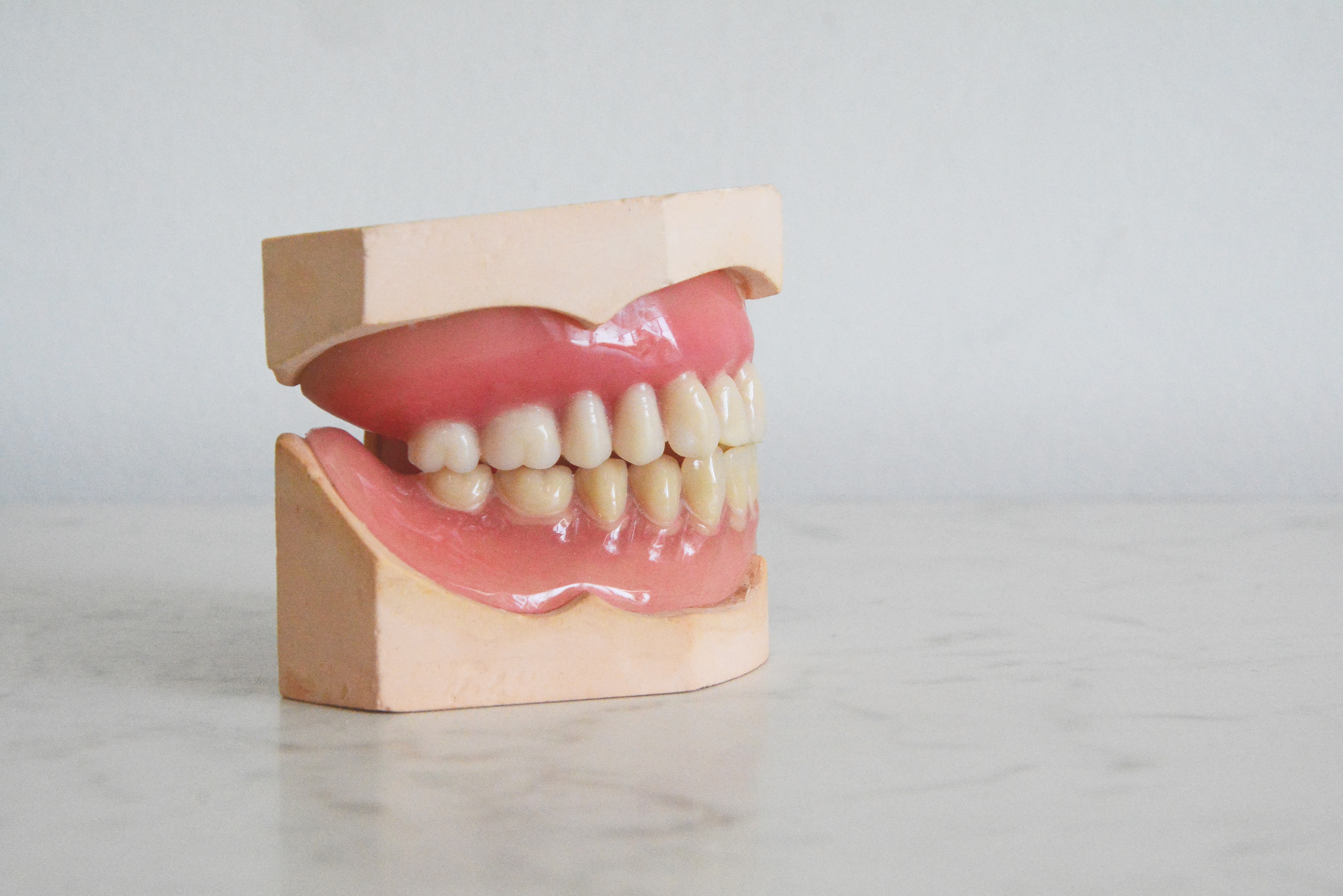
Missing natural teeth affect more than just your self-confidence. Whether you’re missing a natural tooth in the back of your mouth that’s noticeable or you’ve lost a front tooth, it’s important to know that there are potential health impacts of missing teeth. So how can a single missing tooth—or several missing teeth—affect your smile?
A Missing Tooth Can Impact Your Ability to Speak and Chew
Even one missing tooth can change how you speak and chew, especially over time. Your teeth will naturally shift to fill in the gap of the missing tooth, which can change how your teeth fit together and alter your speech or make it more difficult to chew certain foods.
Difficulty chewing can make it harder to properly break up food for digestion, which has the potential to lead to gastrointestinal problems such as irritable bowel syndrome [1]. It can also make it more challenging to consume nutritious foods, which could lead to vitamin or mineral deficiencies [2].
People who are missing teeth and find their speech affected find it most difficult to pronounce words with the letters s, f, z, and th. Replacing missing teeth may require a brief adaptation period when speaking, but eventually, your speech will return to normal [3].
Bone Loss Can Limit Your Smile Restoration Options
When a natural tooth is lost and not replaced, the body will begin to absorb the jawbone that supported that tooth, as it is no longer needed. If you are missing multiple natural teeth, your jawbone quality and density can change significantly over time, with most of the changes occurring in the first year after losing teeth [4].
This lost jawbone can make replacing your missing teeth more challenging, as some restorations, such as dental implants, require that you have enough jawbone to support your new artificial tooth.
In addition, compromised jawbone can also affect your appearance. People who are missing some or all of their natural teeth tend to have less volume in their face, which can ultimately make them appear older than they are.
Shifting Teeth Can Lead to Chronic Jaw Discomfort
Since a missing tooth causes the other teeth in your mouth to shift, it can change the way teeth fit together and cause an improper bite. An improper bite, or malocclusion, has the potential to increase your risk of teeth grinding and temporomandibular joint (TMJ) disorders, both of which can lead to chronic jaw or facial discomfort.
Improper bites can also increase the risk for dental trauma [5]. As the position of your teeth changes, so will the appearance and function of your smile. Replacing missing teeth as soon as possible after your smile heals can help prevent any teeth shifting and keep your teeth in their proper positions to minimize oral health issues.
Are You Missing Your Natural Teeth?
Whether you are missing a few or all of your natural teeth, you have replacement options in the form of dentures, dental bridges, and dental implants. Don’t wait to replace a missing tooth—avoid the health impacts of missing teeth by scheduling a consultation with your dentist to discuss your restorative options.
Sources:
1. https://pubmed.ncbi.nlm.nih.gov/25623278/
2. https://pubmed.ncbi.nlm.nih.gov/6588038/
3. https://www.rsu.lv/en/scientific-papers/peculiarities-phonetic-adaptation-patients-
after-oral-rehabilitation-conventional
4. https://www.ncbi.nlm.nih.gov/pmc/articles/PMC6926561/
5. https://www.fdiworlddental.org/malocclusion-orthodontics-and-oral-health