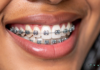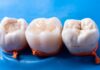
Delayed tooth eruption is when children don’t get their baby teeth or permanent teeth according to established guidelines. For example, a baby who does not get their first teeth in by the age of 18 months is generally considered to have delayed tooth eruption.
This phenomenon is relatively common among children. But is treatment needed for delayed tooth eruption? Here’s what you need to know if your little one hasn’t gotten their teeth in one time.
Delayed Tooth Eruption Does Not Typically Require Treatment
Delayed tooth eruption is simply a term used to refer to the delayed eruption of teeth. It’s not a disease or a condition that requires treatment. While you should still schedule an exam with a pediatric dentist to evaluate your child’s smile, most often the teeth will need to erupt on their own and there isn’t much you can do.
The term delayed tooth eruption can refer to either primary (baby) teeth or permanent teeth. For instance, a child may have their primary teeth in but fail to get their permanent ones in on time, or they may have not gotten their primary teeth in at all [1].
Why You Should Still Schedule an Exam Even Though Treatment May Not Be Needed
Although there isn’t much to be done for delayed tooth eruption, getting your child a dental exam is still important.
For example, the permanent tooth may be “trapped” in the jaw and not come through (also called an impacted tooth), which is a situation that will eventually require treatment. Or your child may have a vitamin deficiency that could be influencing the delayed disruption, such as a vitamin D deficiency [2].
Every child is unique and there are different causes associated with delayed tooth eruption, so it’s important to get an exam to determine what the problem, if any, could be, and how you can support your child’s health and wellbeing to encourage tooth eruption.
The Most Common Treatment for Delayed Tooth Eruption
The most common treatment for delayed tooth eruption is monitoring. Simply keep an eye on your child’s tooth or teeth and see if you notice any changes in their smile. Your dentist will likely ask you to come back to discuss potential treatment options if your child’s teeth have still not erupted in a few months.
Most children will have their teeth come in on their own, even if it does take longer than expected. Your dentist will let you know what to expect and how long you should monitor for before additional steps should be considered.
Does Your Child Have Delayed Tooth Eruption?
Delayed tooth eruption isn’t generally a cause for alarm, so don’t panic if your child’s tooth or teeth haven’t come in just yet. A visit with an experienced pediatric dentist will help you determine if there are any factors that could be influencing your child’s tooth development, and your dentist will work with you to design a monitoring and treatment plan to best support your child.
Sources:
1.
https://courses.washington.edu/gradorth/Ortho%20565%20Spring%20Theory/Suir%20
AJODO_2004.pdf
2.
https://journals.lww.com/jped/Fulltext/2020/38030/Vitamin_D_deficiency_as_an_etiol
ogical_factor_in.2.aspx