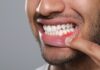
Thumb sucking is a natural self-soothing practice of most babies and children. Most children will grow out of this habit on their own once they get out of their toddler years and reach pre-school or kindergarten. However, some children will continue to suck their thumb.
While it may seem harmless, prolonged thumb sucking can cause structural changes to the front teeth and affect your child’s bite. With these changes, can thumb sucking cause your child to need braces?
Thumb Sucking Can Lead to Necessary Orthodontic Treatment
The answer is yes—thumb sucking can certainly lead to the need for braces. There are numerous changes that can happen if a child sucks their thumb as their teeth and jaw continue to develop.
For example, the front teeth can stick outward, which means your child may have difficulty closing their mouth or pronouncing certain words. Your child’s bite may also change, making the top and bottom jaws misaligned and causing an open bite, crossbite, or overbite.
There is also evidence that thumb sucking may impact children who are already prone to bad bites more than those with good ones [1]. All of these changes typically require orthodontia to fix. Otherwise, they can impact a child’s speech and even their face shape and development.
Early Evaluation Is Critical
Your child should have their first dental visit no later than their first birthday. During your child’s regular dental appointments, the dentist can check for evidence that thumb sucking could be causing a problem. Generally, unless your child is approaching the age of five, thumb sucking won’t be a problem for their dental health.
However, children who develop malocclusion or protruding teeth as a result of thumb sucking may benefit from early intervention. If your child’s dentist finds evidence that thumb sucking is affecting your child’s bite or teeth development, they can provide you with helpful tips to encourage your child to not suck their thumb or refer you to an orthodontist. Early evaluation and intervention may help you help your child avoid issues that could require orthodontic treatment to fix, including tooth eruption and bite issues [2].
Which Children Are Most at Risk?
Children who suck their thumb for long periods of time or those that suck their thumb aggressively are more likely to have issues that require orthodontic treatment [3]. Occasional thumb sucking rarely impacts dental development to the point that braces are needed.
Should your child not suck their thumb but instead use a pacifier, the same guidelines apply—one is not necessarily better than the other. If your child is older than five or sucks their thumb more than normal (frequently at night and during the day), talk with your child’s pediatrician or dentist to determine how you can encourage your child to break the habit to protect their smile and reduce the need for braces.
Sources:
1. https://www.sciencedirect.com/science/article/abs/pii/S0022347651802002
2.
https://www.researchgate.net/publication/348369386_Etiology_of_thumb_sucking_ha
bit_and_its_effect_on_developing_malocclusion
3. https://www.ncbi.nlm.nih.gov/books/NBK556112/