When your mouth is dry, it might seem like a minor annoyance, or something easily remedied with a quick sip of water. But when dry mouth becomes persistent, it can be a sign of an underlying issue, and you may be putting your oral health at risk. In this blog, we’ll explore common causes of dry mouth, how it can affect your oral health, and what you can do to combat it.
What Is Dry Mouth?
Known medically as xerostomia, dry mouth occurs when your salivary glands aren’t producing enough saliva to keep your mouth properly lubricated.
You may not think much about it, but saliva is essential for maintaining a healthy smile. It helps wash away food particles, neutralize harmful acids, and control bacteria in your mouth. Without adequate saliva, you’re more vulnerable to developing tooth decay, gum disease, bad breath, and even oral infections.
Common Causes of Dry Mouth
There are many reasons your mouth may feel dry. Some of the most common include:
Medications
If you read the side effects on your prescription and over-the-counter medications, you’ll probably see dry mouth listed as a side effect on at least one. Antihistamines, antidepressants, decongestants, and blood pressure medications are common culprits, so be sure to hydrate while using them.
Dehydration
Not drinking enough water, consuming excessive caffeine, or drinking alcohol can reduce your saliva production.
Medical Conditions
Diabetes, autoimmune disorders such as Sjögren’s syndrome, and even some neurological conditions can interfere with efficient salivary gland function.
Mouth Breathing
Chronic congestion or medical issues, such as a deviated septum, can cause you to breathe through your mouth and contribute to dryness.
How Dry Mouth Impacts Your Oral Health
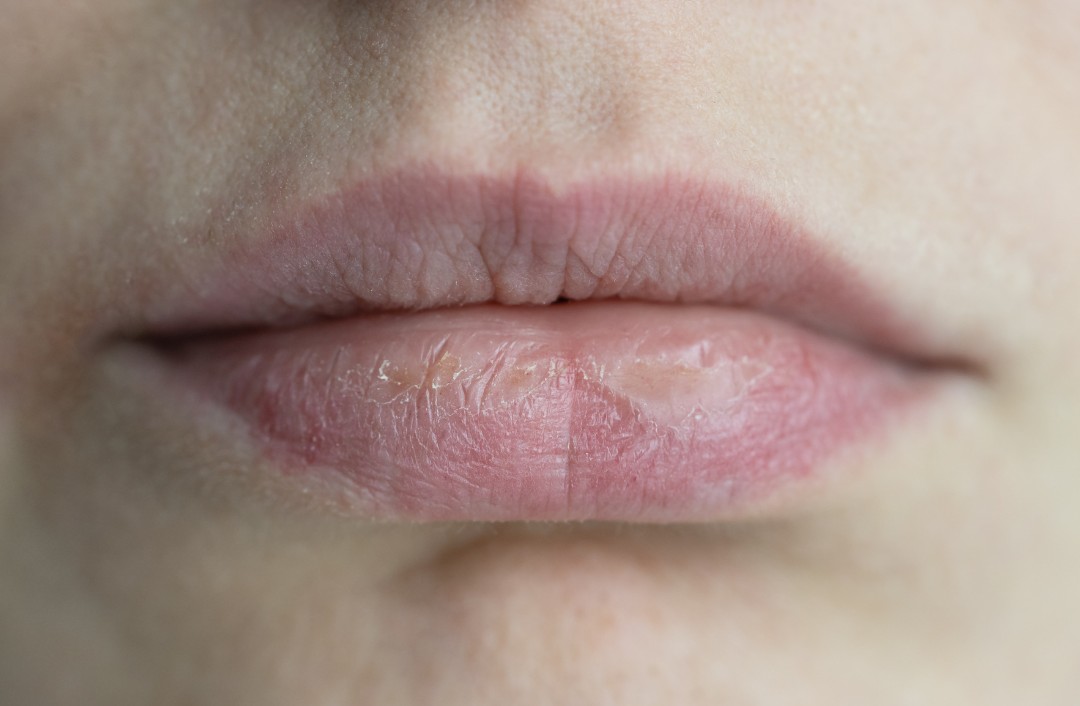
When your saliva levels drop, harmful bacteria can multiply more easily. This increases your risk of cavities, especially along the gumline, and can lead to inflamed or bleeding gums. You may also notice difficulty chewing, swallowing, or speaking. In more severe cases, dry mouth can cause cracked lips and mouth sores.
What You Can Do
If you’re experiencing ongoing dry mouth, don’t ignore it. Ensuring that you’re hydrated, limiting alcohol and caffeine, and using sugar-free gum or lozenges to stimulate saliva can help. Your dentist may also recommend special rinses or products designed to relieve dry mouth while protecting your teeth.
Don’t Let Dry Mouth Affect Your Oral Health
Addressing chronic dry mouth concerns early can help prevent long-term damage to your oral health and keep your smile healthy and beautiful. To learn more about what may be causing your dry mouth and how to address it, schedule a consultation with your dentist today.