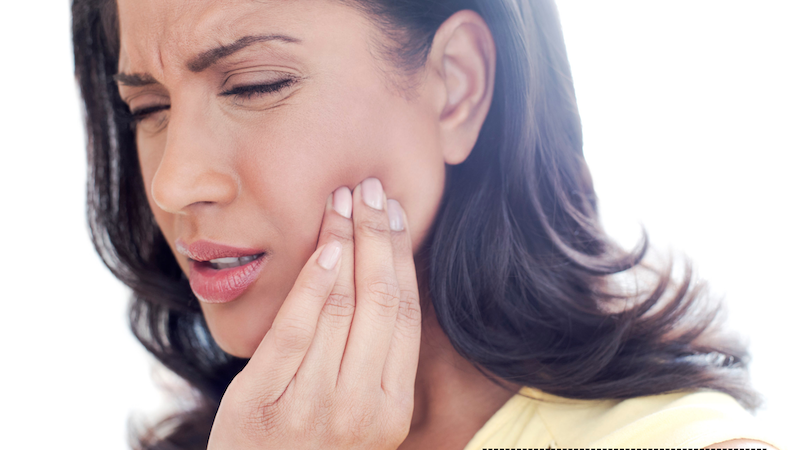
Stress not only affects your mood, but can also take a physical toll on your body, including your jaw. If you’ve been experiencing jaw pain, headaches, or discomfort when chewing, stress may be the culprit. For many people, chronic stress contributes to behaviors and muscle tension that can trigger or worsen temporomandibular joint (TMJ) disorders.
The Connection Between Stress and Tension in Your Jaw
When you’re feeling stressed, your body naturally responds by tightening its muscles, including the ones in your face, jaw, and neck. Chronic stress causes constant tension, which, over time, can strain the temporomandibular joints, which connect your jaw to your skull. Tight facial muscles may lead to stiffness, soreness, and even limited jaw movement, all common symptoms associated with TMJ disorders.
Clenching, Grinding, and Bruxism
Stress is one of the leading causes of teeth clenching and grinding (also known as bruxism). Many people clench their jaws during the day without realizing it, while others grind their teeth at night while they sleep. This repeated pressure places excessive strain on the jaw joints and surrounding muscles. Over time, bruxism can wear down your tooth enamel, cause tooth sensitivity and cracks, and significantly aggravate TMJ symptoms.
How Stress Worsens TMJ Symptoms
If you already have TMJ issues, stress can intensify your discomfort. Increased muscle tension and frequent clenching can lead to inflammation around the joint, making symptoms like jaw pain, clicking or popping sounds, earaches, and headaches more pronounced. In some cases, stress can even contribute to flare-ups that make everyday activities, such as eating or speaking, uncomfortable.
Managing Stress to Protect Your Jaw
Reducing stress is an important step in managing TMJ symptoms. Techniques such as mindfulness, regular exercise, stretching, and adequate sleep can help relax your facial muscles and reduce clenching. If your TMJ symptoms persist, talk to your dentist. They may recommend solutions such as a custom nightguard, physical therapy, or other therapies to relieve pressure on your jaw and help you achieve long-term relief.