Stress is an inescapable part of modern life. Juggling work, family commitments, and daily responsibilities places a strain on both mental and physical well-being. However, one area that’s often overlooked is the impact of stress on oral health.
From teeth grinding to gum disease, chronic stress can wreak havoc on your mouth in ways you might not realize—but the good news is that understanding these connections can help you protect your smile.
Let’s explore how stress affects your oral health and what you can do to minimize the damage.
How Stress Impacts the Body
Stress, while mentally taxing, also triggers a physical response in the body that can adversely affect your teeth and gums. During stressful times, your body releases cortisol and adrenaline, hormones that prepare your body for “fight or flight” situations. While useful in the short term, chronic activation of this response can lead to destructive habits and physiological changes in the mouth.
Common Stress-Related Oral Health Issues
Stress can manifest in various oral health problems. Here are some of the most prevalent issues:
- Teeth grinding (bruxism). Teeth grinding, often occurring during sleep, can lead to significant dental wear, fractures, or misaligned teeth [1]. Over time, bruxism might cause temporomandibular joint (TMJ) disorders, leading to pain and discomfort.
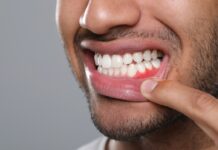
- Gum disease. Chronic stress can weaken the immune system, making it less effective at combating infections, including those in the mouth. This can increase susceptibility to gum disease, characterized by inflammation, bleeding, and possibly leading to tooth loss if untreated [2].
- Dry mouth. Stress can affect saliva production, leading to a condition known as dry mouth, or xerostomia. Saliva is crucial for neutralizing the acids produced by bacteria in the mouth and for washing away food particles. Reduced saliva can increase the risk of cavities, gum disease, and oral infections [3].
- Canker sores. Although the direct cause of canker sores isn’t entirely known, stress is believed to be a triggering factor. These small, painful ulcers can worsen during high-stress periods.
Ways to Mitigate Stress-Induced Oral Health Issues
Taking steps to manage stress can help mitigate its impact on your oral health. Exercise, meditation, and deep breathing exercises can help reduce stress levels. It’s also important to eat a healthy diet, stay hydrated, and get enough sleep to support your body and your smile [4].
It’s also crucial to visit your dentist regularly. Your dentist can help identify signs of stress-induced oral health issues, like chipped teeth from teeth grinding or stress fractures in your tooth enamel. Your dentist can also recommend a custom-fitted mouthguard, if necessary, to protect against wear and tear.
Act Now for a Healthier Smile
While it’s impossible to eliminate stress entirely, managing it effectively can significantly improve both your overall and oral health. If you’re experiencing stress-related oral health issues or simply want to ensure your smile remains healthy, contact your dentist today. Regular check-ups are essential in early detection and prevention, helping you maintain optimal dental health.
Sources:
- https://www.mouthhealthy.org/all-topics-a-z/teeth-grinding
- https://pmc.ncbi.nlm.nih.gov/articles/PMC10218473/
- https://www.nidcr.nih.gov/health-info/dry-mouth
- https://www.cdc.gov/mental-health/living-with/index.html