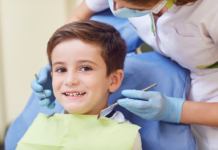
Dental sedation is for people who experience dental anxiety or dental phobia and typically
avoid treatment as a result of this. When it comes to children, dental sedation is often used for procedures that are long in order to ensure the safety of the patient during the procedure.
But is dental sedation actually safe for children? Here’s what you need to know when it comes to sedation at the dentist’s office for your child.
Dental Sedation Is Considered to Be Safe
Although dental sedation for children is considered to be safe, there is always a small risk when sedation or anesthesia is involved in a procedure. It’s important to ask any questions you have before the day of the procedure and for both you and your child to be clear about what’s going to happen during the appointment.
Dentists and their staff are required to be properly trained in order to sedate your child. This includes being equipped with monitoring equipment to keep a close eye on their heart and breathing rate as well as their oxygen level. Your dentist office should also have emergency resources on hand in the event that your child suffers a reaction.
The dentist of your choice should always have patient safety in mind, especially when it comes to your child!
Circumstances and Procedures When Used
Dental sedation isn’t taken lightly and is typically not used for procedures such as cleanings and fillings if your child is old enough.
However, if your child is anxious, has trouble sitting still, or suffers from dental phobia, dental sedation may need to be considered. Children who have developmental or physical disabilities may also benefit from dental sedation even during mild procedures such as cleanings.
Children who have strong gag reflexes or a low pain tolerance may also need some form of
sedation. Otherwise, dental sedation is typically only considered in procedures such as root
canals, extractions, and crowns or bridges.
Types of Dental Sedation for Children
There a few different types of dental sedation that your dentist can talk with you about. These include:
Oral sedation, in which your child will be conscious but relaxed. In this form of sedation,
you’ll typically give your child the medication before leaving for the dentist’s office.
Nitrous oxide. Also known as laughing gas, this won’t be administered until your child is
in the chair ready for their procedure. The effects of nitrous oxide wear off quickly.
Intravenous sedation, which involves an IV in the arm and the effects tend to last a bit
longer. This is a deeper form of sedation that is usually only considered under certain
circumstances.
Dental sedation is considered to be safe and is used to protect children during their dental
procedures. The good news is that with proper oral hygiene, your child may never need dental sedation. When considering dental sedation, talk with your dentist about their experience with using dental sedation for certain procedures as well as the needs of your child!