
Although you can’t see them yet, your child has teeth that are just waiting to emerge from beneath their gumline as soon as they are born. You’ll start to see your child’s first teeth within the first six months to the first year of their life. Your child’s primary teeth...

Your child’s oral health is essential at any age, even before they have teeth! More than half of children and adolescents have at least one cavity, but tooth decay is preventable with proper oral hygiene habits and good nutrition . How can you help your child develop great oral hygiene...
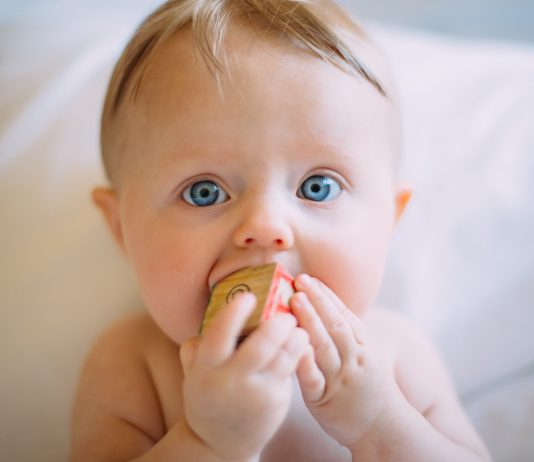
Babies generally start teething around six months old—some will begin getting their first teeth in earlier, and some will start later. Your baby should have their first tooth by their first birthday, which is also around the time they should have their first dental visit. Teething can be challenging for...
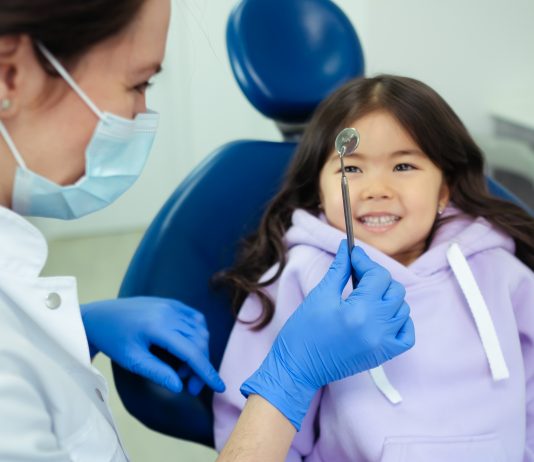
Your child’s first dental visit should happen around the time they get their first tooth in, typically between the ages of six months and one year. This first visit allows your child’s dentist to ensure that their tooth development is on track, discuss oral hygiene, and ensure your little...
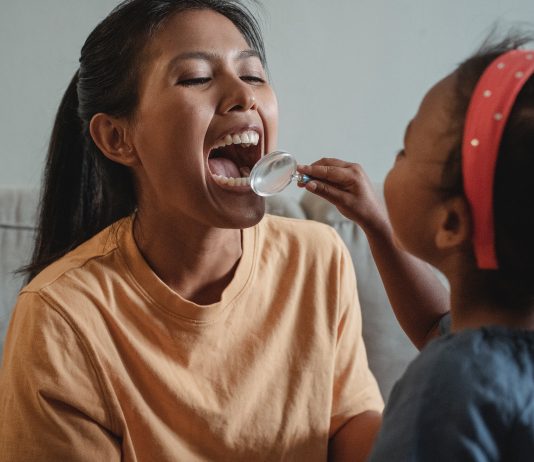
Your child’s permanent teeth will need to last them for life. Even your child’s baby teeth play a role in their oral health and tooth alignment, so taking the best possible care of your child’s smile is imperative to a lifetime of healthy teeth and gums. One in four children...

During their life, your child will grow their primary teeth, shed them, and get their permanent in. In total, your child will have grown 20 primary teeth and 32 permanent teeth in their lifetime—that’s a lot of teeth! Since teeth play an instrumental role in your child’s speech development, ability...

Pacifiers are generally most helpful for babies that are six months old or younger; however, some parents choose to use pacifiers past this age, up to one year . When looking for the best pacifier for your infant, what should you be looking for? Here are some of the...
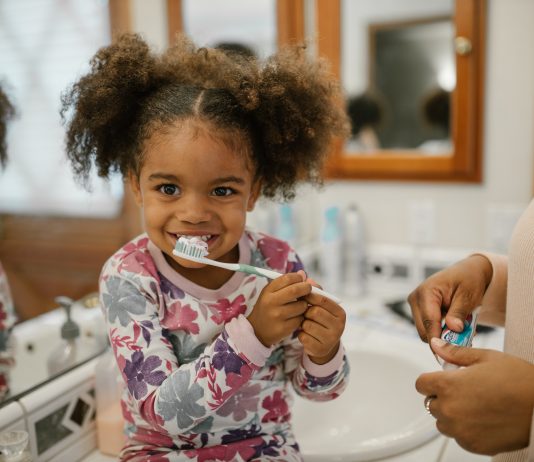
Although your baby’s teeth won’t come in until they’re about six months old, you can start wiping your baby’s gums after each feeding. As your baby’s teeth come in, you can gently brush and floss them to prevent tooth decay and keep them healthy. But at what point should...

Your child’s baby teeth will eventually become loose and fall out, leaving room for the permanent teeth to erupt through the gum tissue. Children typically lose their primary teeth in the same order that the teeth came in, which means your child’s incisors should become loose around age six...

Temporomandibular joint (TMJ) disorders encompass problems with the joints that connect your jaw to your skull on either side of your head. These joints can be affected by arthritis, inflammation and even a misaligned bite. Millions of people suffer from problems associated with TMJ disorders, which can lead to...