A smile doesn’t always mean someone is happy. Research shows that humans smile for many different reasons. So while a smile can certainly reflect...
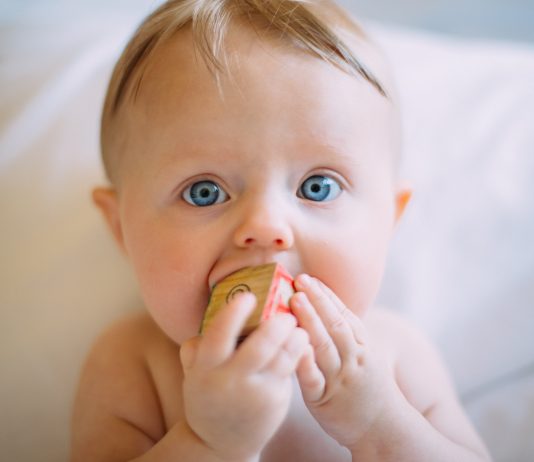
Babies generally start teething around six months old—some will begin getting their first teeth in earlier, and some will start later. Your baby should...

Chipped and cracked teeth are common among patients and have the potential to impact oral health if left untreated. Unfortunately, many cracked or chipped teeth...

Babies start to get their first teeth in around the age of six months to one year old. By the time they are about...

Brushing and flossing are two things you should do every day to maintain and improve oral health. Brushing for two minutes two times a...

An abfraction is a specific type of damage to the tooth. If you notice that your teeth look longer or appear indented around the...

Your body goes through many changes as you age. Your skin becomes thinner and more prone to wrinkles thanks to decreasing collagen. Your bones...

You likely have a lot of things on your list in preparation for your child going back to school. Between getting new supplies and...

Children tend to smile much more than adults and, as it turns out, there’s surprising science that supports smiling as being potentially beneficial to...

Gastroesophageal reflux disease (GERD) affects about 20% of Americans . Also called acid reflux, this uncomfortable condition happens when stomach acid leaks into the...