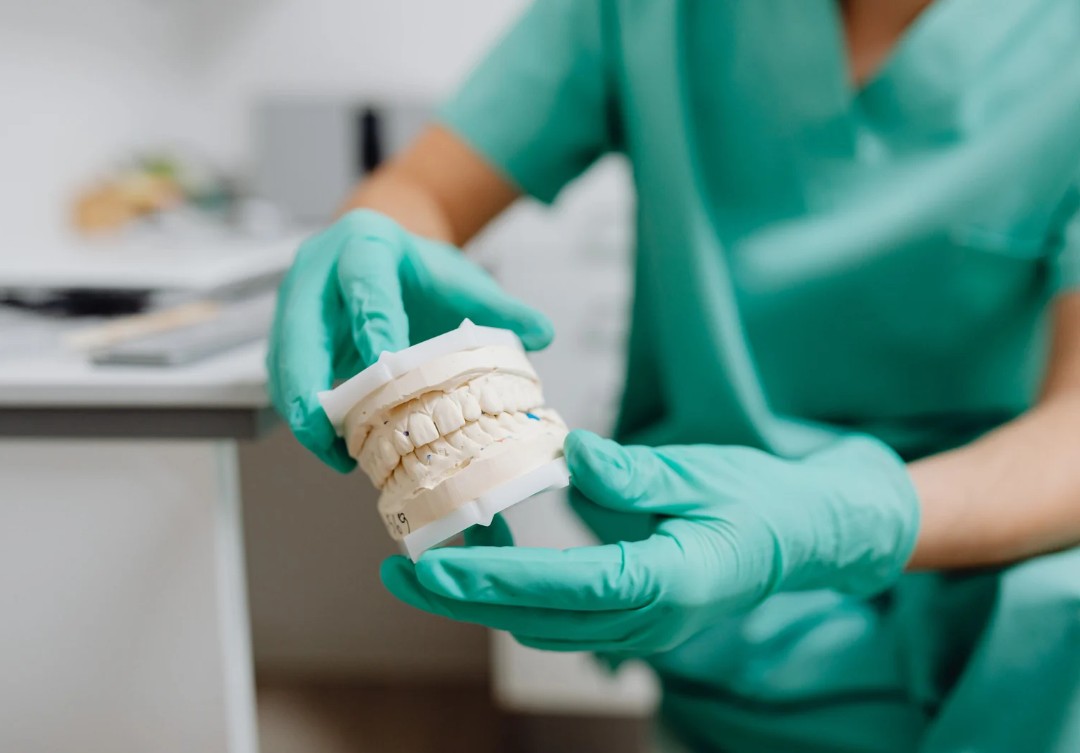
Everyone knows that perfectly aligned teeth do more than just give you a beautiful smile. Your teeth also need to work together every time you bite, chew, or speak. When your upper and lower teeth don’t fit together properly, it can affect everything from how comfortably you eat to how well your teeth hold up over time. In this blog, we’ll go over what you need to know about occlusion and how it affects your oral health.
What Is Dental Occlusion?
Occlusion refers to how your upper and lower teeth come together when you close your mouth or bite down. Ideally, your teeth should make contact with each other in a way that ensures bite pressure is evenly distributed and your jaw can move easily and comfortably.
When your teeth don’t align properly, it’s called malocclusion, or a misaligned bite. Common examples include:
- Overbite: Your upper front teeth overlap your lower front teeth excessively.
- Underbite: Your lower front teeth sit in front of your upper teeth.
- Crossbite: Some upper teeth bite inside your lower teeth rather than outside.
- Open bite: Certain upper and lower teeth don’t touch when your mouth is closed.
How Does Occlusion Affect Your Oral Health?
Your bite plays a significant role in your dental health, as even minor alignment issues can sometimes create problems over time.
Uneven Tooth Wear
When certain teeth consistently absorb more pressure than others, they may wear down faster. Excessive bite force in the wrong place can also cause chips, cracks, or damaged dental restorations.
Jaw Pain and Discomfort
An uneven bite may cause muscle tension in your jaw or discomfort when chewing. While improper bite alignment isn’t the only factor in the development of temporomandibular joint (TMJ) disorders, it can sometimes play a role.
Difficulty Chewing
Misaligned teeth can make it harder to bite into food or chew efficiently, especially when your upper and lower teeth don’t make proper contact.
Increased Risk of Dental Problems
If your teeth are crowded or overlapping, they can be harder to clean thoroughly, which allows plaque to accumulate and increases your risk of cavities and gum disease.
Schedule Your Bite Evaluation Today
Not every bite irregularity requires treatment. However, early identification of occlusion during routine dental exams can allow your dentist to recommend treatment if necessary. Depending on your needs, options may include orthodontic treatment, restorative dentistry, or adjustments to an improperly fitting restoration. Schedule your evaluation today to keep your smile beautiful and your bite functional.