Even if you’re diligent about brushing and flossing, certain teeth are more vulnerable to cavities than others. One of the biggest trouble spots is the chewing surfaces of your back teeth, where tiny grooves and crevices can collect food particles and bacteria. These natural indentations, called dental fissures, play an important role in chewing but can also make it easier for tooth decay to develop.
What Are Dental Fissures?
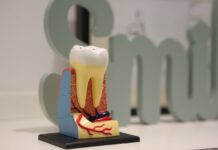
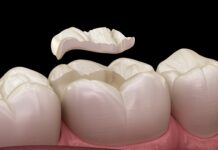
Dental fissures are the narrow grooves and crevices found on the chewing surfaces of your molars and premolars. They help your teeth grip and break down food as you chew.
While everyone has dental fissures, their depth and shape vary from person to person. Some are shallow and relatively easy to clean, while others are deep, narrow, or irregularly shaped. These deeper fissures can be especially problematic because toothbrush bristles may not reach all the way into them, leaving bacteria and food debris behind.
Why Are Dental Fissures More Prone to Cavities?
The biggest issue with dental fissures is that they provide small, hard-to-clean spaces where plaque can accumulate. When bacteria in plaque feed on sugars and carbohydrates from your diet, they produce acids that gradually weaken your tooth enamel. Over time, repeated acid exposure can create tiny openings in the enamel that eventually develop into cavities.
Fissure cavities are especially common in children and teenagers because their newly erupted permanent molars are especially vulnerable to decay. However, adults can develop cavities in these areas, too.
How Can You Prevent Cavities in Dental Fissures?
Luckily, there are several ways to protect the vulnerable dental fissures on your teeth:
Brush thoroughly: Use fluoride toothpaste twice daily, paying special attention to the chewing surfaces of your back teeth.
Limit sugary snacks: Lower your teeth’s exposure to sugars that feed cavity-causing bacteria.
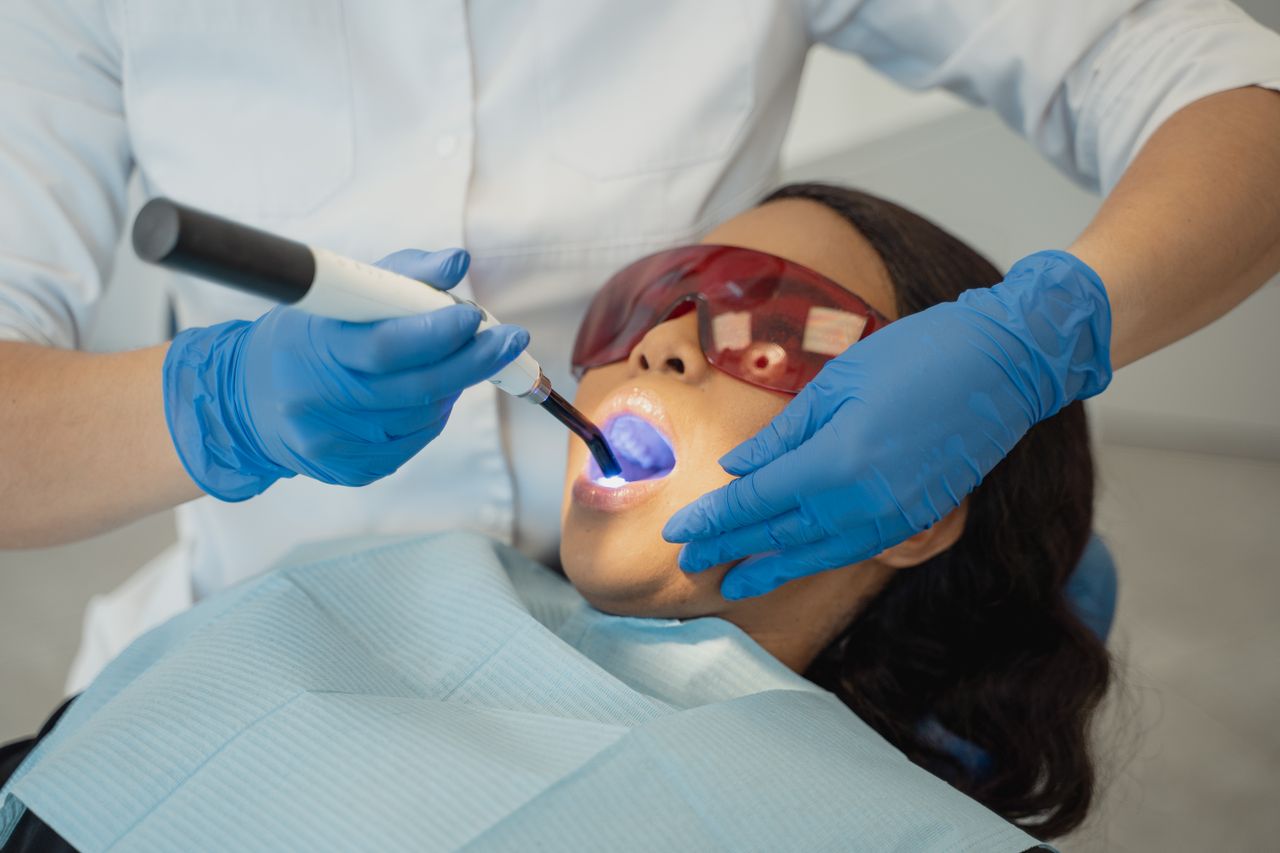
Ask for dental sealants: These thin, protective coatings cover deep grooves and fissures in your teeth, preventing food and bacteria from becoming trapped.
Schedule regular dental checkups: Professional examinations allow your dentist to detect early signs of decay before cavities become more serious.
Protect Your Teeth From Hidden Decay
Dental fissures are a normal part of your tooth anatomy, but they vary from person to person and may deserve extra attention. Regular dental checkups, good brushing habits, and preventive treatments like sealants can help keep these hard-to-reach areas healthy and cavity-free, preserving your radiant smile.