
Dentures are an affordable way to restore your smile. While you can opt for full or partial dentures—depending on if you’re missing some or all of your natural teeth—dentures are made to give you a natural smile and teeth that you can speak and chew with. Although dentures can last...

Root canal therapy has come a long way since its inception. Experts believe root canals have been attempted for thousands of years, but it wasn’t until the 1800s that the practice started to become more refined. Although root canals have a reputation for being painful, today, root canal therapy has...
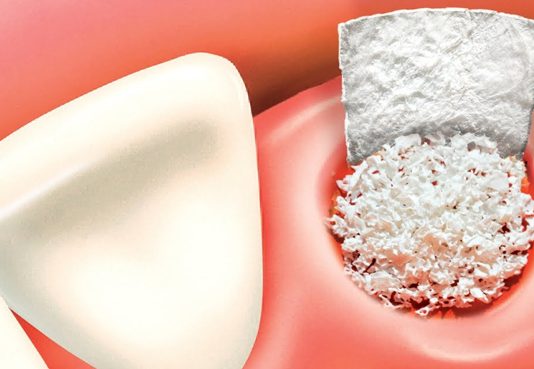
Getting a dental bone graft is more common than many people think. During a dental bone graft, bone is taken from your own body, a donor, or a synthetic material and placed into your jawbone to regenerate bone that was lost. Although getting a jawbone graft sounds uncomfortable, the procedure...

Getting Invisalign is an exciting time. You’ll finally be getting the smile you’ve always wanted, and you won’t have to wear visible metal braces to get it. Invisalign can provide a more comfortable alternative to braces, and these clear aligners allow you to keep your teeth cleaner since you...

Wisdom teeth are the last teeth to erupt in the oral cavity. Also called third molars, these teeth are located so far back in the mouth that they can cause problems with cleaning and even tooth crowding. Up to 80% of people end up having at least one of...

Getting a root canal procedure involves your dentist removing dead or infected tissue from the inside of your tooth. After the procedure is done, your dentist will seal the chamber with a biocompatible material to prevent future problems with the tooth. Although getting root canal therapy isn’t too different these...

Invisalign orthodontic treatment is an innovative form of orthodontics. Instead of having metal braces, patients can instead wear clear aligners that are custom made for their unique smile. The aligners gently shift teeth into place similarly to braces, but the difference is that Invisalign allows patients to get straighter teeth...

Temporomandibular joint (TMJ) disorders encompass problems with the joints that connect your jaw to your skull on either side of your head. These joints can be affected by arthritis, inflammation and even a misaligned bite. Millions of people suffer from problems associated with TMJ disorders, which can lead to...

Your temporomandibular joints—located on either side of your head—allow your jaw to move, giving you the ability to chew, speak, and yawn. However, when these joints become irritated or even inflamed, temporomandibular joint disorders can result. Often referred to simply as TMJ, these disorders can cause annoying clicking and popping...

When your jaw joints, called your temporomandibular joints, which are located on either side of your head, don’t work like they should, they can cause discomfort and unusual noises such as clicking or grinding when moving the jaw. TMJ disorders can cause an array of symptoms in the body, from...