When foods and beverages high in glucose and other sugars are consumed, bacteria quickly get to work metabolizing these sugars into harmful acids that attack enamel. Some foods and drinks are naturally acidic, adding to the problem. Snacking on sweet or acidic foods throughout the day is especially harmful because these damaging acids will continue to affect your teeth for at least 20-30 minutes afterwards. Saliva neutralizes these decay-causing acids and promotes re-mineralization of the affected enamel and dentin.
Unfortunately, many older patients suffer from reduced saliva flow, also called “dry mouth” or “xerostomia,” resulting in increased decay. There are various reasons that a person may be affected by dry mouth, which is actually not a disease in itself, but rather a symptom of a systemic disorder or the side effect of certain medications. Some medications causing dry mouth include antihypertensives (blood pressure), antihistamines, decongestants, anti-anxiety drugs and many others.
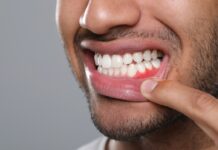
Dry mouth can result in a higher incidence of halitosis or bad breath because saliva that controls some bacterial populations is not present in adequate volume. Dry mouth may be associated with difficulty swallowing, trouble speaking, burning feeling or a constant sore throat. If you have dry mouth due to the result of a medical condition, speak to your physician or dentist about possible treatment to increase saliva flow or tactics to reduce the effects. If the dry mouth is a result of medications, ask if a substitute may be recommended.
Having a dry mouth requires more frequent visits to the dentist for check-ups and cleanings. Your dentist may recommend that sweets and highly acidic foods or drinks not be consumed between meals and that you use a toothpaste or mouthwash containing a high level of fluoride, available only by prescription. Studies have shown that enamel and dentin are the softest after exposure to sweets or acidic foods, so waiting 20-30 minutes before brushing will allow available saliva to re-mineralize the enamel and dentin.
If you have been diagnosed with dry mouth, consider the following tips:
1. Limit sweets and sugar-containing fruits to mealtime when your saliva flow is optimal. Hard candy and all kinds of chocolate will generate significant decay.
2. Since some foods and drinks are also acidic, brushing right after eating or drinking them can magnify the problem. It is better to rinse with water to neutralize the acids and brush/floss after 20-30 minutes.
3. Eating sticky foods like raisins, dates and dried fruit can magnify the amount of acid in intimate contact with your teeth. Try to limit consumption of these foods, especially between meals.
4. Chewing sugarless gum can increase saliva flow by up to 10 times normal, so consider chewing it after meals or after eating between meal sweets or acidic foods or drinks.
5. Rinsing your mouth with water after consuming highly acidic foods such as fruit or wine, especially white wine, will also help neutralize harmful acids in the mouth. For example, sipping wine while cooking dinner will extend the exposure of your teeth to acid, with significant long-term consequences.
6. Carefully brush two times a day and floss daily to remove decay-causing plaque.
7. Visit your dentist for a prescription for high-fluoride containing toothpaste or mouthwash. These items are generally used at bedtime so that the fluoride will stay on your teeth the longest. Be sure to follow the directions carefully. Research continues to show that using a fluoride-containing toothpaste will help improve your resistance to decay.
7. If available, continue to drink fluoridated city water to maintain protective fluoride levels.
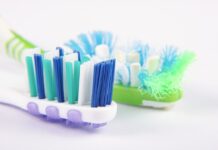
I would be remiss if I did not take this opportunity to remind you of the most basic tenets of a good oral hygiene program: minimize between meal sugars and acids and cleaning twice daily with a soft-bristled brush and flossing once daily. When choosing a toothbrush, make sure it will allow access to every corner of your mouth and replace it every three months.
I hope this information will prove useful and wish you a future of healthy smiles.