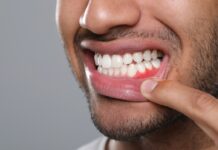
If you want to improve chips, gaps, discoloration, or misalignment in your teeth, two of the most popular options are dental bonding and porcelain veneers. Both treatments can dramatically enhance your smile, but they differ in several ways, including materials, longevity, cost, and overall results. In this blog, we’ll help you understand these differences to help you decide which solution best fits your goals and lifestyle.
What Is Dental Bonding?
Dental bonding uses a tooth-colored composite resin (similar to the material used in fillings) to reshape or repair your teeth. Your dentist carefully sculpts the resin directly onto the tooth, then hardens it using a special curing light. The result is a quick, conservative improvement that often requires little to no removal of natural enamel.
Bonding is ideal for small cosmetic concerns such as minor chips, hairline cracks, small gaps, or subtle reshaping. It is typically completed in one visit and is more affordable than veneers. However, composite resin material is more prone to staining and may not last as long as porcelain.
What Are Porcelain Veneers?
Veneers are ultra-thin, custom-made porcelain shells bonded to the front surface of your teeth. Made from durable ceramic, veneers are designed to mimic the translucency and light-reflecting properties of your natural tooth enamel.
Veneers are often recommended for patients who want a more dramatic or comprehensive smile transformation. These restorations can address deep discoloration or staining, worn enamel, moderate misalignment, irregularly shaped teeth, and multiple cosmetic imperfections simultaneously. Because porcelain is stain-resistant and highly durable, veneers typically last longer than bonding, as long as they’re properly cared for.
How Do I Choose Between Bonding and Veneers?
When it comes to deciding between veneers and bonding, choosing the right option for you depends on several factors, including your aesthetic goals and budget. If you’re looking for a quick, cost-effective way to fix minor flaws, bonding may be the perfect solution. If you’re looking for a longer-lasting, dramatic enhancement with superior stain resistance, porcelain veneers may offer greater benefits.
Explore Your Dental Restoration Options
If you’re ready to enhance your smile, it’s time to schedule an appointment with an expert cosmetic dentist. At your consultation, they can help you determine whether porcelain veneers or dental bonding will best achieve a confident, natural-looking smile, and which will best fit your lifestyle.