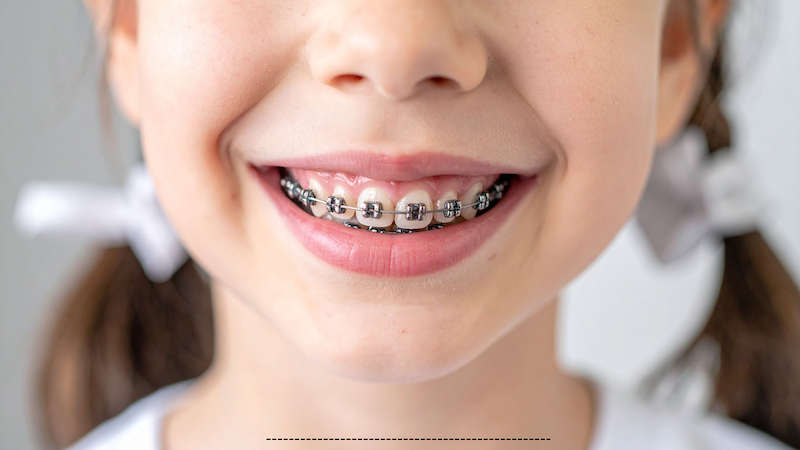
As a parent, you want your child’s smile to develop beautifully and correctly. And while many people associate orthodontic treatment with the teenage years, early evaluation can play an important role in preventing more complex issues later. Known as interceptive treatment, early orthodontic assessment for your child can guide jaw development, create space for incoming teeth, and reduce the need for more invasive procedures in the future.
Signs Your Child May Need Orthodontic Attention
There are several early indicators that your child could benefit from orthodontic care. Crowded or crooked teeth are often the most noticeable reasons to seek an evaluation, but other signs of potential orthodontic concerns may be more subtle. If your child has difficulty biting or chewing, often breathes through their mouth, or frequently bites the inside of their cheeks, they may have bite alignment or jaw issues. Speech difficulties and teeth that don’t come together properly when their mouth is closed are also important to watch for. Even if they still have baby teeth, these signs can indicate that their permanent teeth may not erupt correctly.
The Impact of Thumb-Sucking and Pacifiers
Prolonged thumb-sucking or pacifier use can affect how your child’s teeth and jaw develop. These habits may lead to an open bite, where the front teeth don’t touch, or cause their upper teeth to protrude. The longer the habit continues, the more likely it is to influence their dental alignment. Addressing these behaviors early can reduce the need for more extensive orthodontic treatment later on.
When to Schedule an Orthodontic Evaluation
The American Association of Orthodontists recommends that children have their first orthodontic evaluation by age seven. At this stage, examining a mix of baby and permanent teeth allows the orthodontist to identify developing problems with tooth alignment and jaw growth. Early evaluation doesn’t always mean immediate treatment is necessary, but it does allow for careful monitoring and timely intervention if needed.
Early Treatment Can Make a Difference
Knowing when to seek an orthodontic assessment can help you stay ahead of potential concerns and support your child’s long-term oral health. By scheduling an evaluation at the right time, you can help ensure your child’s teeth grow into a healthy, beautiful, and confident smile. Talk to your child’s dentist today about whether they think your child would benefit from early orthodontic evaluation.