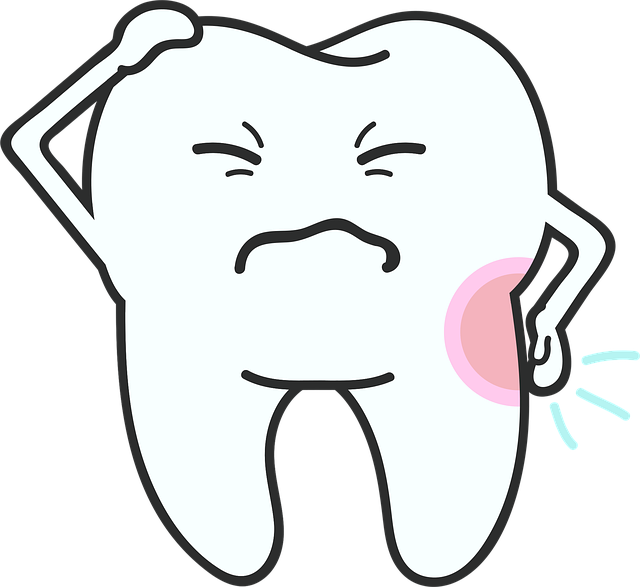
Experiencing tooth pain when biting down or releasing pressure is a common issue that many people face. It can range from a mild annoyance to a severe discomfort that disrupts daily activities.
Understanding the potential causes of this pain is the first step towards relief and treatment. Here, we look at the various reasons that might lead to this specific kind of dental discomfort and what you can do about it.
Tooth Decay
One of the most prevalent reasons for experiencing pain when chewing or releasing pressure is tooth decay. While early tooth decay typically does not have symptoms, cavities that progress can reach into the dentin and pulp, where nerve tissue lives [1]. Pressure applied while biting can affect the sensitive areas, leading to discomfort.
Cracked or Fractured Tooth
A cracked or fractured tooth can cause sharp pain when biting down. The fracture may not always be visible, but it often places stress on the underlying nerves. Eating hard foods or grinding teeth can lead to such conditions, aggravating the tooth with each bite.
Dental Abscess
An abscess is a pocket of pus formed due to a bacterial infection. When the infection spreads to the pulp inside the tooth, it can result in significant pain upon biting [2]. This condition requires immediate dental attention since it can lead to more severe and even life-threatening oral health complications.
Gum Disease
Periodontal disease, commonly known as gum disease, can also be a culprit of tooth pain. Infection and inflammation in the gums can affect the surrounding teeth, making them sensitive to pressure. Advanced gum disease can also cause loose teeth, which can lead to discomfort when biting down or releasing pressure [3].
Recent Dental Work
If you have recently undergone a dental procedure like a filling, crown, or root canal, you might experience temporary discomfort when biting. This sensitivity often subsides as the tooth and surrounding tissues heal. However, if the pain persists, it’s important to consult your dentist. Dentists often advise against chewing on the side of the mouth where the work was completed for a period of time.
Diagnosing the Issue
Diagnosing the root cause of your tooth pain involves a comprehensive examination by a dental professional. They may use the following tools to diagnose the problem:
- Visual exam. This simple exam allows your dentist to check for visible signs of cavities, cracks, or gum irritation.
- Percussion test. Your dentist will tap on different areas of the tooth to help determine if the pain is centralized or radiates.
- Bite stress test. You may be asked to bite down on specific materials to pinpoint the exact location of the discomfort.
- X-rays. For underlying issues such as abscesses or bone fractures not visible to the naked eye, dentists will take X-rays.
Talk to Your Dentist About Your Tooth Pain
If you’re experiencing persistent tooth pain while biting down or releasing pressure, it’s crucial to address the issue promptly with a dental professional. Ignoring the pain could lead to worsening dental issues, possibly requiring more intensive treatments. Contact your dentist today to schedule an examination and discuss your symptoms to ensure a pain-free smile!
Sources:
- https://www.nidcr.nih.gov/health-info/tooth-decay#symptoms
- https://www.ncbi.nlm.nih.gov/books/NBK493149/
- https://www.nidcr.nih.gov/health-info/gum-disease#symptoms