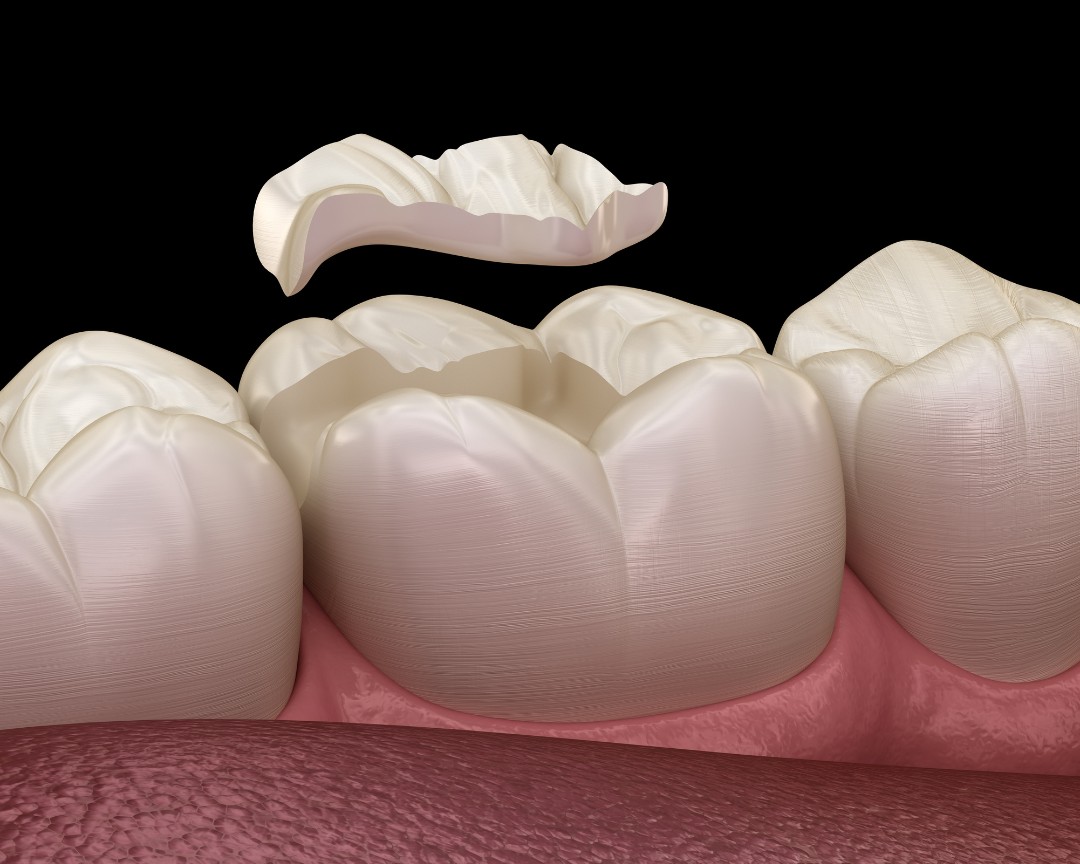
Losing a dental filling can be an unpleasant surprise, whether it happens while eating, brushing your teeth, or seemingly out of nowhere. While it may not always cause immediate pain, a lost filling should never be ignored. Fillings are designed to protect teeth that have been damaged by decay, and if that filling falls out, the tooth becomes vulnerable to further problems. In this blog, we’ll go over how to know you’ve lost a filling and what to do if it happens.
Why Do Fillings Fall Out?
Dental fillings are durable, but they are not designed to be permanent. Over time, normal chewing forces can cause a filling to wear down, loosen, or crack. Fillings may also fall out due to tooth decay developing around the edges of the restoration, trauma to the tooth, teeth grinding, or biting down on hard foods. Older fillings are especially prone to failure as the materials age and weaken.
What Symptoms Can You Expect When a Filling Fails?
You may not notice that you’ve lost a filling right away. Some people can feel a visible hole or rough spot in the affected tooth right away. Others may experience sensitivity to hot, cold, or sweet foods, or feel pressure when chewing. In some cases, the exposed tooth structure can become painful because the inner layers of the tooth are no longer protected.
Even if the affected tooth feels normal, harmful bacteria can enter the exposed area and cause further decay. That’s why if you lose a filling, you shouldn’t assume everything is fine simply because you’re not experiencing discomfort.
What Should You Do If a Filling Falls Out?
If you lose a filling, save it (if possible) and contact your dentist immediately. Avoid chewing on the affected side of your mouth and keep the area clean by brushing gently and rinsing with warm salt water. Over-the-counter dental repair materials may provide temporary protection, but they are not a substitute for professional filling replacement.
Why Prompt Filling Replacement Matters
Delaying treatment for a missing filling can accelerate decay, infection, or structural damage to your tooth. In some cases, a simple filling replacement may be all that’s needed. However, if too much time passes, the tooth may require a larger restoration such as a crown, root canal therapy, or even extraction.
Don’t Let a Lost Filling Stay Missing
If you’ve lost a filling, it’s time to schedule an appointment with your dentist as soon as possible. Getting prompt dental treatment helps protect your tooth, relieve discomfort, and prevent more extensive (and expensive) dental procedures in the future.