You finally got that new dental crown placed, or are enjoying the repair of a chipped tooth, but something feels a little off when you bite down. Maybe one tooth seems to hit before the others, or chewing feels different than it did before the work was done. While some temporary sensitivity is normal after dental work, changes in how your teeth fit together shouldn’t be ignored. In this blog, we’ll explore the ways even a tiny difference in your bite can affect your comfort and oral health.
How Dental Restorations Affect Your Bite
Your bite, also called your occlusion, refers to how your upper and lower teeth come together when you close your mouth. Ideally, your teeth should make balanced contact without putting excessive pressure on any one area.
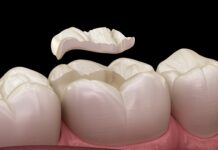
Dental restorations like crowns, fillings, and veneers are designed to repair damaged or missing tooth structures. However, even small changes in the restored tooth’s shape or height can affect how the rest of your teeth meet. Examples include:
- A filling that’s slightly too high may cause that tooth to make contact before the others.
- A crown that doesn’t quite match your natural bite can change how pressure is distributed when you chew.
Any change to your bite can cause other concerns varying from minor discomfort to uneven wear or tooth damage.
Signs Your Bite May Need an Adjustment
It’s not always obvious when a dental restoration affects your bite. Some common warning signs include:
- One tooth hitting before the others when you bite down
- Discomfort or sensitivity when chewing
- Jaw soreness or tension
- Difficulty chewing comfortably on one side
- Headaches or increased tooth sensitivity
These symptoms don’t necessarily mean something went wrong with your restoration, but they’re worth having checked.
Why Bite Adjustments Matter
When your bite is uneven, certain teeth may absorb more pressure than they’re designed to handle. Over time, this can contribute to tooth sensitivity, discomfort, or premature wear on your restoration.
Fortunately, correcting the problem is often straightforward. Your dentist can use special marking paper to identify areas of excessive contact and carefully adjust the restoration’s surface.
Don’t Ignore Changes in Your Bite
Your bite should always feel comfortable and natural after dental work, no matter how extensive. If something feels off, immediately contact your dentist instead of waiting and hoping the problem will resolve itself. A small adjustment may be all it takes to restore comfort and protect your smile and overall oral health.