You bite into something crunchy and suddenly feel a quick, sharp pain. Then, just as quickly, it disappears. The culprit? A cracked tooth. A cracked tooth isn’t always as obvious as you might expect. You may not be able to see a visible crack, and the discomfort can come and go depending on what you’re eating or how you bite. However, even a small crack can worsen over time, potentially allowing bacteria to reach the inside of your tooth. Knowing the warning signs of a cracked tooth can help you get the correct treatment before this minor problem becomes a dental emergency.
What Causes a Tooth to Crack?
Teeth are strong, but they aren’t indestructible. Cracks can develop from obvious causes, like biting down on a popcorn kernel, hard candy, or ice. Other cracks may be caused by an injury, develop gradually from grinding or clenching your teeth, or as a result of years of normal wear and tear.
A tooth may also be more likely to crack if it has a large filling that leaves less natural tooth structure behind. Teeth with large fillings can sometimes be more vulnerable because there is less natural tooth structure remaining. Sudden temperature changes, such as eating something extremely hot followed by something very cold, may also contribute to cracking.
What Does a Cracked Tooth Feel Like?
Cracked teeth can be tricky because they don’t always cause constant pain, and your symptoms can vary depending on the location and severity of the crack. Some cracks cause almost no noticeable symptoms, especially when they first develop. You might notice a sharp twinge when you bite down or release your bite, develop sensitivity to hot, cold, or sweet foods, experience tenderness around the tooth, or notice swelling in the nearby gums.
Because a crack can cause very few symptoms at first, regular dental exams are crucial for catching problems early.
Can a Cracked Tooth Be Fixed?
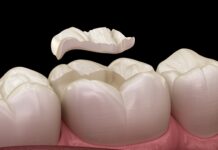
In many cases, yes; however, treatment depends on how deep the crack extends and how much of the tooth is affected. A small crack may be treated with dental bonding or simply monitored during your dental checkups.
If the crack reaches the tooth’s pulp, you may need root canal therapy to remove damaged or infected tissue before restoring the tooth with a crown. Unfortunately, cracks that extend deep below the gumline may make the tooth impossible to save and require extraction.
Cracked teeth don’t repair themselves, so unexplained pain when chewing is worth having checked out. Catching a crack early may mean simpler treatment and a better chance of keeping your natural tooth and restoring comfortable chewing.