
COVID-19 disrupted many of our routines with our kids, including dental check-ups. The pandemic put immense stress on our healthcare systems, which lead to...

Delayed tooth eruption is when children don’t get their baby teeth or permanent teeth according to established guidelines. For example, a baby who does...

Self-ligating braces are a type of orthodontic treatment that is similar to conventional braces, but with one major difference. Whereas traditional braces use elastic bands...

Your baby will start getting their first teeth in as early as six months old. Your child’s front central incisors generally appear first, followed...

Although you can’t see them yet, your child has teeth that are just waiting to emerge from beneath their gumline as soon as they...

Your child’s oral health is essential at any age, even before they have teeth! More than half of children and adolescents have at least...

Babies generally start teething around six months old—some will begin getting their first teeth in earlier, and some will start later. Your baby should...
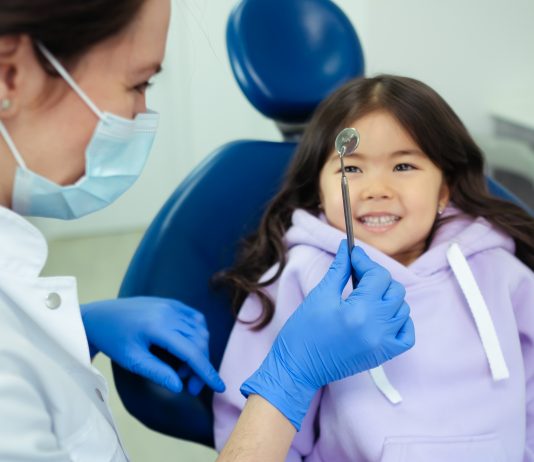
Your child’s first dental visit should happen around the time they get their first tooth in, typically between the ages of six months and...

Your child’s permanent teeth will need to last them for life. Even your child’s baby teeth play a role in their oral health and...

During their life, your child will grow their primary teeth, shed them, and get their permanent in. In total, your child will have grown...