Having an underbite is not only usually noticeable, it can also cause many different problems with your smile. These include problems eating or speaking, jaw pain, and uneven wear of your tooth enamel, which can cause tooth decay. The main cause of an underbite is usually genetic and not something that can...

Most people are familiar with the common symptoms of temporomandibular joint (TMJ) disorders. These symptoms include jaw pain, muscle tension in the jaw, neck, shoulders, or back, headaches, and clicking and popping noises when moving the jaw. However, since the temporomandibular joint is so close to the trigeminal nerve—which is the largest cranial...
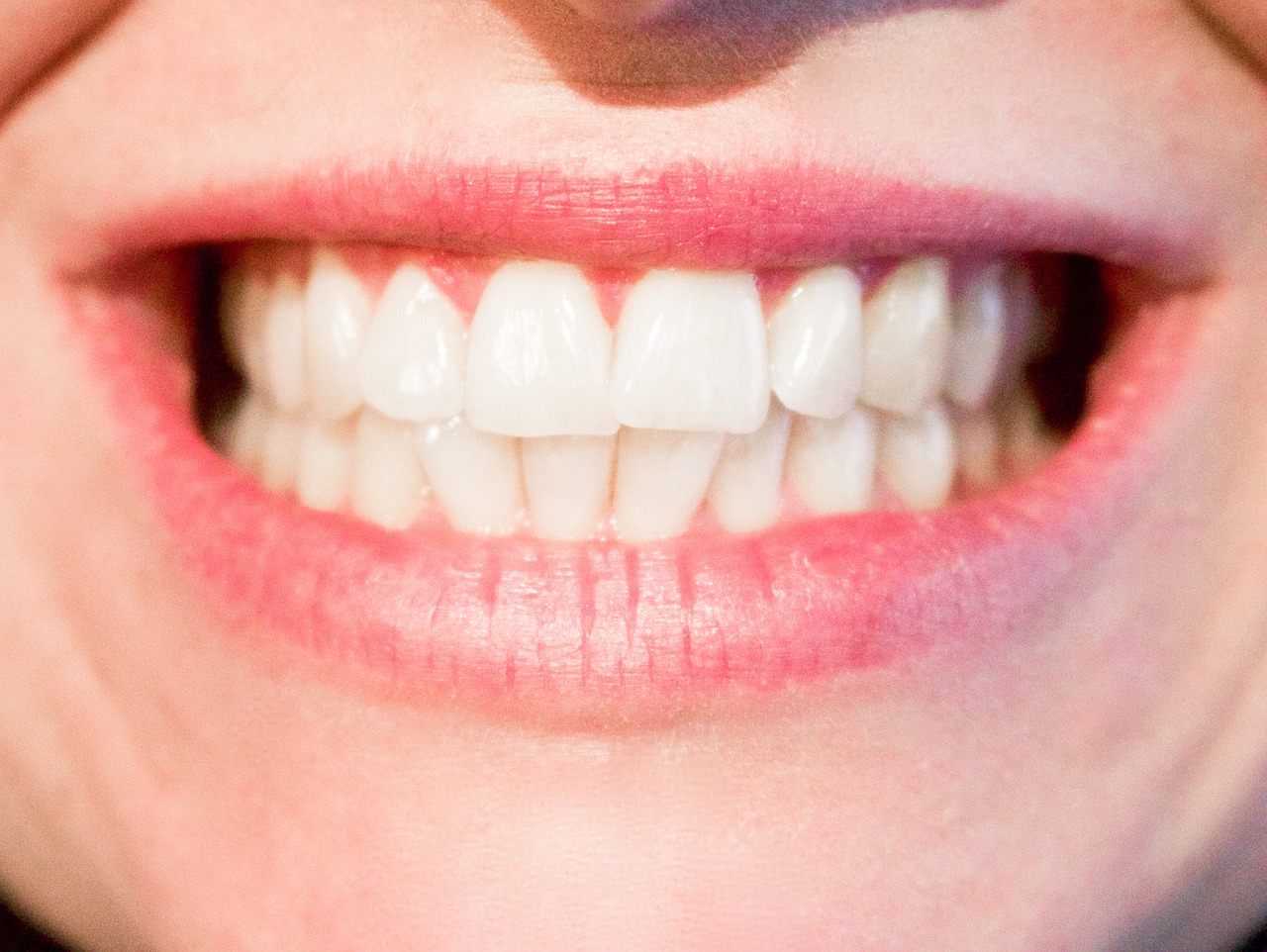
Many people have a misaligned bite, but not everyone will have symptoms, or some may have symptoms that are more severe than others. With some patients, an improper bite is apparent through their appearance, but many times, the signs are not so obvious. Here are a few signs and symptoms that might...

Wisdom teeth—those molars all the way in the back of your mouth that make an appearance in your latter teenage years—will need to be removed for the majority of people. Our jaws are much smaller today than they were thousands of years ago. Most people will have some type of problem with...

Your gums play a crucial role in the health of your teeth. Gums cover and protect the tooth roots and also serve to help anchor the teeth in place. In fact, gum disease is often the primary cause of tooth loss in adults. Without healthy gum tissue, teeth are...

Headgear is a broad term for orthodontic appliances that strap around the head to exert pressure from outside the patient’s mouth. Although not every child or adult who has braces will need headgear, headgear is important for certain cases and has its benefits. What are the benefits of needing orthodontic headgear? Here’s...

Your toothbrush is one of the most important tools you use to keep your teeth clean and healthy—but what do you do when it comes to keeping your toothbrush clean and healthy? Toothbrushes do best when they are stored in optimal conditions and are replaced every few months. Keeping your toothbrush clean...

An estimated 20% of people experience dental anxiety, but less than half this number experience dental phobia, a severe fear that prevents people from going to the dentist entirely. Dental anxiety and dental phobia prevent patients all over the world from seeking the preventative care they need as well as restorative care....

Flossing is an excellent practice for your oral care routine. It helps remove plaque from places your toothbrush can’t reach—which is an estimated 40% of your mouth! Dentists everywhere advocate for safe and healthy flossing when it comes to your dental health. However, you can be too aggressive with your flossing to...

Temporomandibular joint (TMJ) disorders can affect the joints that connect your upper and lower jaw, making jaw movements uncomfortable at best and painful at worst. Many TMJ disorders are the result of undue pressure on the joint. Depending on what’s causing this pressure, your TMJ may be permanent or...