The health of your teeth and gums are dependent on several factors, one of the most notable being adequate saliva production. Your teeth were meant to be protected by your saliva—when there’s not enough saliva present, your entire mouth suffers. This can influence gum disease, bad breath, cavities, and...

Taking care of your smile is more than just brushing and flossing—it’s also being choosy about the foods you eat. Everyone knows that sugar is bad for your teeth, but there are plenty of other foods that can damage your teeth as well. These include hard foods that can...

Research has been proving just how much your oral health is connected to the rest of your body. This science shows that poor oral health can affect your entire body and actually increase your risk for chronic diseases and common illnesses. This is because the bacteria and plaque that...

Gum recession is one of the signs of gum disease that’s often difficult to notice until it’s progressed. This is because the gums can recede over a period of several years, lowering the chance that you’ll notice the difference in your smile! However, it’s important to know the signs...

Periodontitis is a gum infection that’s part of gum disease (also called periodontal disease). Periodontitis can cause significant damage to the gums and even your jawbone if left untreated. Although this condition is fairly common, it’s also preventable! You can prevent gum disease and periodontitis simply by taking good...

By the time your child is a toddler, he or she should have the majority of their primary teeth in. This is a great time to begin teaching your child how to care for his or her teeth while you still help and supervise their oral health habits. But...
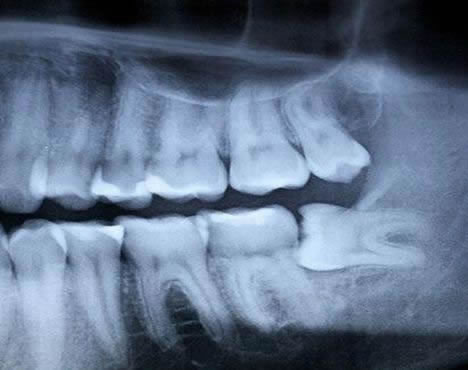
Wisdom teeth, also called third molars, come in between the ages of 17-21 and are the last adult teeth to erupt in the mouth. These teeth were needed by our ancestors who had bigger mouths and tougher food to chew, but today, wisdom teeth generally aren’t needed and pose...

Getting your teeth cleaned twice a year may not seem like a priority—you might have to take time off work, you might not have any problems, it feels like twice a year is too often. However, skipping those twice-yearly dental appointments has more of an impact on your oral...

It’s not always easy to know if your child’s tooth loss is normal— when is it too early to lose teeth? When should you be concerned? Taking your child in for a dental exam when they begin losing their baby teeth can ensure they’re on schedule, but this helpful...

Root canal therapy involves removing your tooth’s nerve and sealing the end with a crown in order to save your tooth and prevent an extraction or infection from occurring. Your dentist can do the root canal or he or she may refer you to an endodontist, a dentist who...