Just because your teeth feel fine doesn’t necessarily mean that your mouth is healthy. Cavities, gum disease, and other oral health problems can often develop quietly, sometimes taking months or even years before causing you noticeable discomfort. Fortunately, your dentist has several ways to spot trouble long before you realize something is wrong. In this blog, we’ll explore early detection methods designed to keep your teeth and gums as healthy as possible.
Comprehensive Dental Exams
During a routine dental exam, your dentist does much more than simply check for cavities. They carefully examine your teeth, gums, tongue, and other oral tissues for subtle changes that could indicate a developing problem.
Using specialized instruments, your dentist is trained to identify early signs of enamel damage, cracked teeth, worn fillings, gum inflammation, and other concerns that might otherwise go unnoticed.
Digital Dental X-Rays
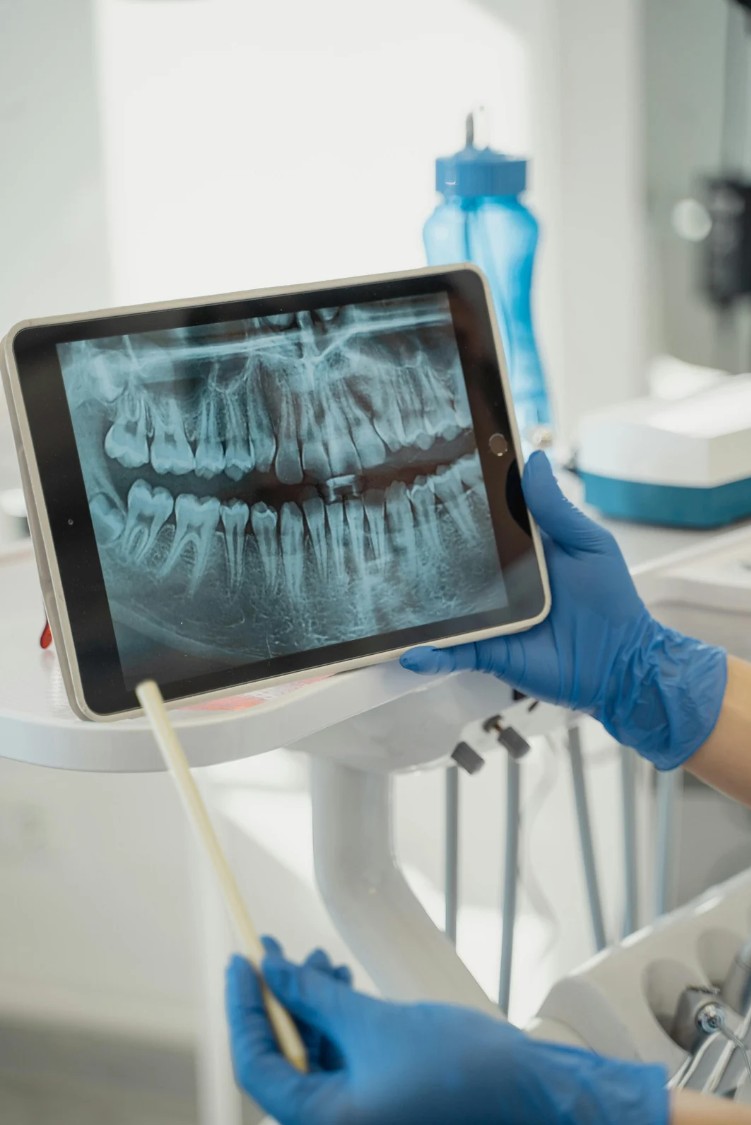
Some oral health concerns develop in places your dentist can’t see with just a visual examination. Digital X-rays help expose hidden issues, including:
- Cavities developing between your teeth
- Bone loss associated with gum disease
- Infections at the roots of your teeth
- Impacted or improperly positioned teeth
- Problems under your existing dental restorations
Digital X-ray images offer a level of detail that allows your dentist to identify potential concerns and recommend treatment before problems worsen.
Gum Health Evaluations
Periodontal (gum) disease often develops without causing any discomfort, making regular evaluations especially important. During these checkups, your dentist uses a small measuring instrument called a periodontal probe to check the spaces between your teeth and gums.
Pockets along the gumline, bleeding, or gum recession may indicate inflammation or periodontal disease, even when your gums look and feel normal.
Oral Cancer Screenings
Early oral cancer doesn’t always cause obvious symptoms. During your examination, your dentist checks your lips, tongue, cheeks, throat, and other oral tissues for unusual sores, lumps, discoloration, or changes in texture. Suspicious areas may require additional evaluation or a biopsy.
Why Early Detection of Dental Concerns Is Essential
Don’t wait for pain or discomfort to start before scheduling your next dentist appointment! Catching dental problems early can make treating them simpler, less invasive, and more affordable. Regular dental visits allow your dentist to spot subtle changes in your mouth, monitor developing concerns, and protect your oral health before minor problems become major ones.