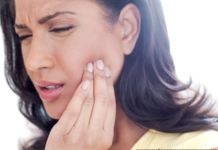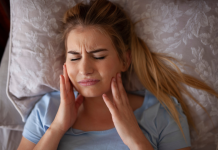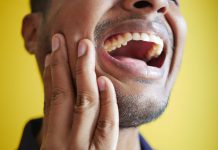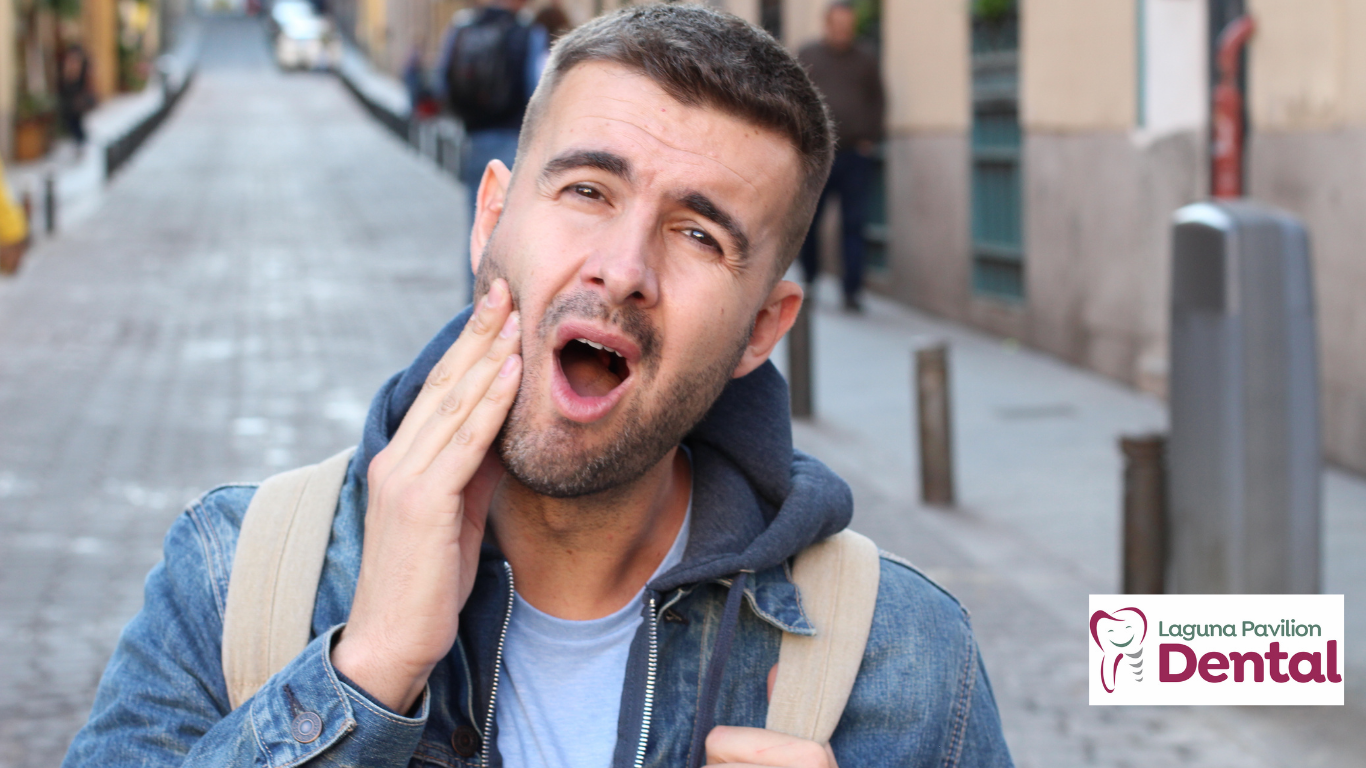
You likely don’t give much thought to what your teeth are doing while you’re asleep. But if you regularly wake up with a sore jaw, sensitive teeth, or a dull headache, you might be grinding or clenching your teeth without realizing it. Known as bruxism, this unconscious habit can gradually damage your teeth and affect your overall oral health.
How Bruxism Damages Your Tooth Enamel
Your tooth enamel is the strongest substance in your body, but even so, it isn’t designed to withstand constant grinding and pressure. When you grind your teeth, the repeated friction gradually wears away this protective outer layer.
Over time, enamel erosion from grinding can lead to several problems, including:
- Increased sensitivity: Thinner enamel exposes the underlying dentin, making your teeth more sensitive to hot, cold, and sweet sensations.
- Worn down teeth: Years of grinding can erode the biting surfaces, making your teeth look shorter or uneven.
- Greater vulnerability to decay: Worn enamel provides less protection against cavity-causing bacteria.
Unfortunately, once tooth enamel is lost, your body cannot naturally replace it.
How Bruxism Affects Your Tooth Structure
Bruxism doesn’t just affect the surface of your teeth. The excessive pressure from clenching and grinding can also weaken their underlying structure.
Over time, small cracks may develop, eventually leading to chipped or fractured teeth. Existing fillings, crowns, and other dental restorations can also become damaged or loosened.
In severe cases of prolonged bruxism, extensive wear or fractures may require treatments such as dental crowns to protect the remaining tooth structure.
Other Oral Health Problems Caused by Bruxism
The effects of bruxism can also extend beyond damage to your teeth. Constant clenching puts additional stress on your jaw muscles and temporomandibular joints (TMJs), which can cause jaw soreness, headaches, facial discomfort, and difficulty chewing.
Ways to Protect Your Teeth From Bruxism Damage
The sooner you address bruxism, the better your chances of preventing permanent damage. Your dentist may recommend a custom nightguard to protect your teeth while you sleep. Managing stress, improving sleep habits, and addressing underlying contributing factors may also help.
If you’ve noticed increased tooth sensitivity, jaw discomfort, or changes in your teeth’s appearance, it’s time to schedule a dental examination. Catching and treating bruxism early can help preserve the health and appearance of your natural teeth and prevent more extensive dental problems down the road.