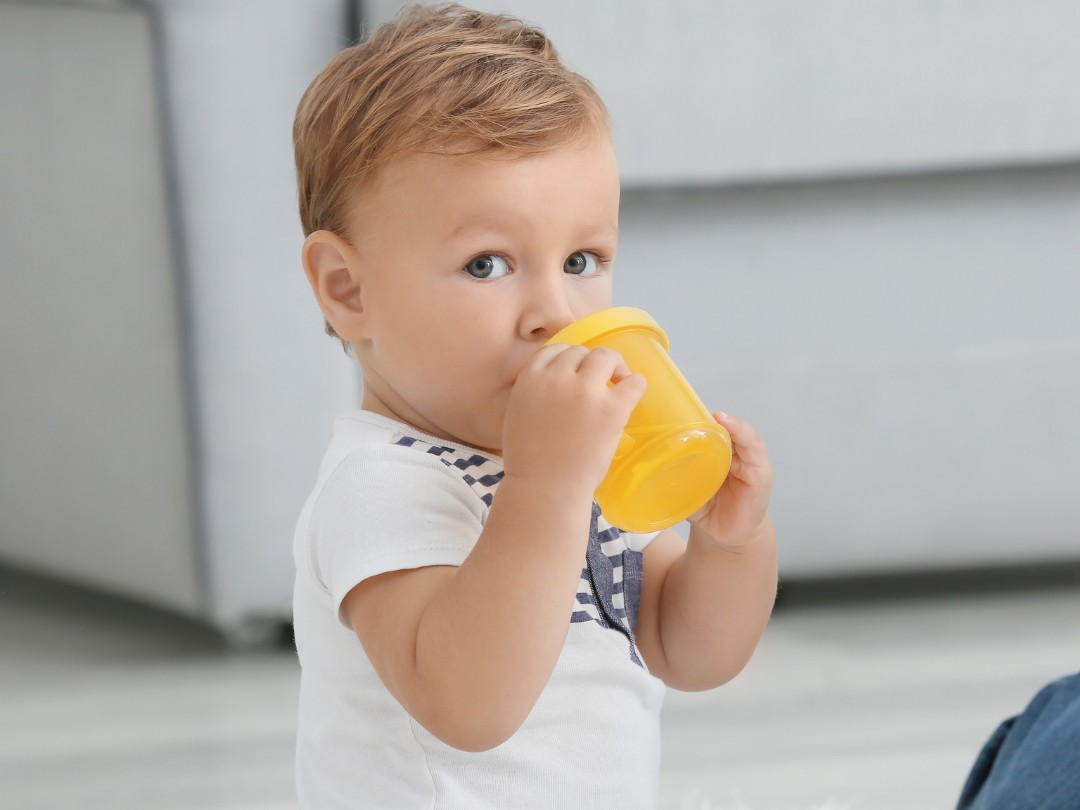
Transitioning from a bottle to a sippy cup is a big step for babies and toddlers, but you may not realize that if your child uses a sippy cup for too long, it can have unintended effects on their oral health. While sippy cups are designed to make the move to regular cups easier for little ones, prolonged use can influence how their teeth and jaws develop and may also increase the likelihood of tooth decay. In this blog, we’ll help you understand these concerns so you can better support maintaining your child’s healthy smile as they grow.
How Sippy Cups Can Affect Tooth Alignment
Extended use of a sippy cup, especially one with a hard spout, may contribute to changes in your child’s oral development. Just as prolonged thumb sucking or pacifier use can place pressure on developing teeth, frequently sucking on a sippy cup may eventually affect the position of their teeth and the growth of their jaw.
Children who use a sippy cup well beyond their toddler years may have a greater chance of developing bite concerns, such as an open bite or issues with the way their upper and lower teeth fit together. While this won’t necessarily happen to every child, encouraging your child to transition to an open cup around 12 to 18 months of age can help promote better, more natural oral development.
Increased Risk of Cavities
One of the biggest concerns with prolonged sippy cup use is the increased risk of cavities. Many children carry their cups around, taking frequent sips of milk, juice, or other sweet drinks throughout the day. This allows sugars to remain on their teeth, which will feed cavity-causing bacteria.
Even milk contains natural sugars that can contribute to tooth decay. Water is the safest choice for a sippy cup between meals, while sugary beverages should be limited and served only during mealtimes.
Supporting the Best Possible Dental Development for Your Child
Sippy cups are intended as a temporary stepping stone in your child’s development, not as a long-term habit. Gradually introducing an open cup and encouraging healthy drinking habits early (as well as scheduling regular dental visits) can help support proper tooth alignment while reducing the risk of cavities. Following these tips and fostering good brushing and flossing habits can give your child the best opportunity for a healthy, confident smile that lasts well into adulthood.