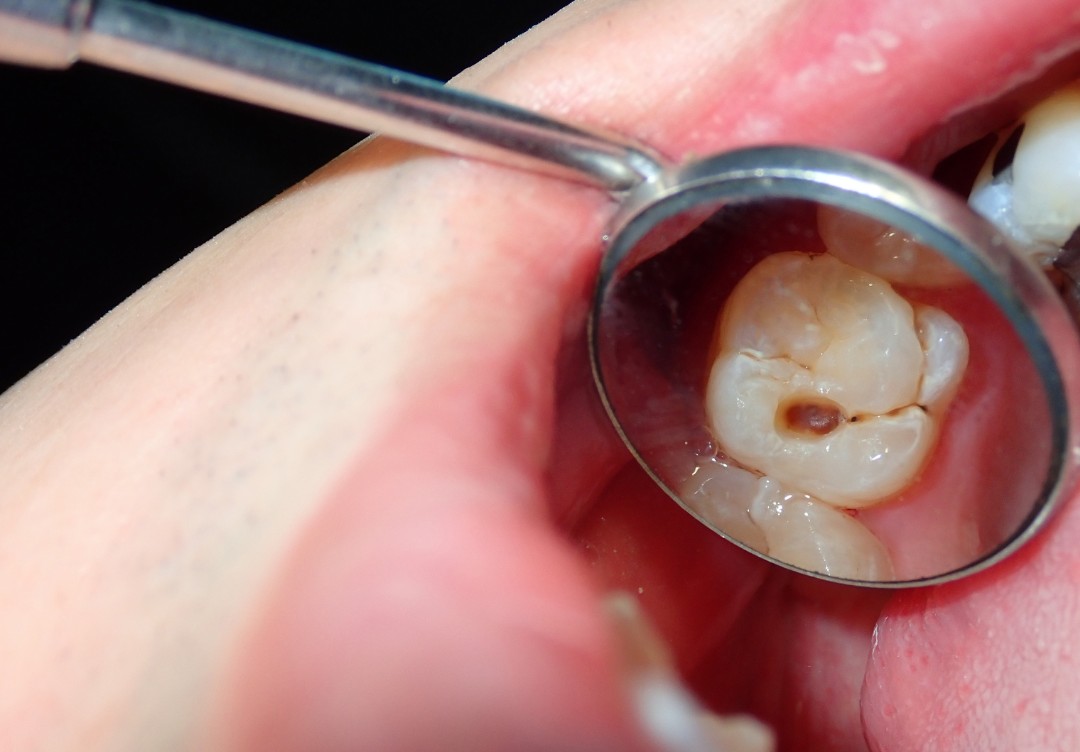
It’s easy to ignore a small cavity, especially if it isn’t causing you pain, which is why you might assume you can put off treating it until it becomes more noticeable. The problem is that tooth decay doesn’t just stop. Once a cavity forms, it continues to progress deeper into the tooth over time. What may start as a minor area of decay can eventually lead to severe pain, infection, tooth loss, and even complications that can affect your overall health.
Early Decay: Damage to the Enamel
A cavity begins when bacteria in your mouth feed on sugars and produce acids that weaken your tooth enamel. In the earliest stages of tooth decay, you may notice white spots or mild sensitivity, or you may have no symptoms at all. Because enamel does not regenerate, the damaged area will continue to grow unless it is treated.
At this stage, a simple dental filling is often enough to repair the tooth and prevent further damage.
When Decay Reaches the Inner Tooth
As the cavity gets larger, it breaks through the enamel and enters the dentin, the softer layer beneath the surface of the tooth. Because dentin is more sensitive, you may begin to experience:
- Tooth sensitivity to hot, cold, or sweets
- Pain when biting or chewing
- Visible holes or dark spots in the tooth
- Persistent toothaches
Once decay reaches this point, treatment becomes more extensive. Larger fillings or dental crowns may be necessary to restore the tooth.
Infection and Nerve Damage
If decay continues untreated, bacteria can eventually reach the pulp, which contains the tooth’s nerves and blood vessels. This often causes severe pain, swelling, and infection. In some cases, an abscess may develop near the root of the tooth.
A dental abscess can lead to:
- Swelling in the gums or face
- Fever or bad taste in the mouth
- Difficulty chewing
- Bone loss around the tooth
At this stage, root canal therapy or tooth extraction may be required.
The Importance of Early Cavity Treatment
If you have or suspect you have a cavity, don’t wait to get it treated. Treating cavities early is easier, less invasive, and more affordable than waiting until significant damage occurs. Besides your routine dental exams and cleanings, if you notice tooth sensitivity, pain, or visible changes in your teeth, scheduling an appointment with your dentist sooner rather than later can help protect both your smile and your long-term oral health.