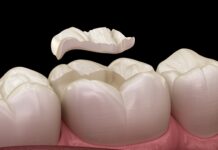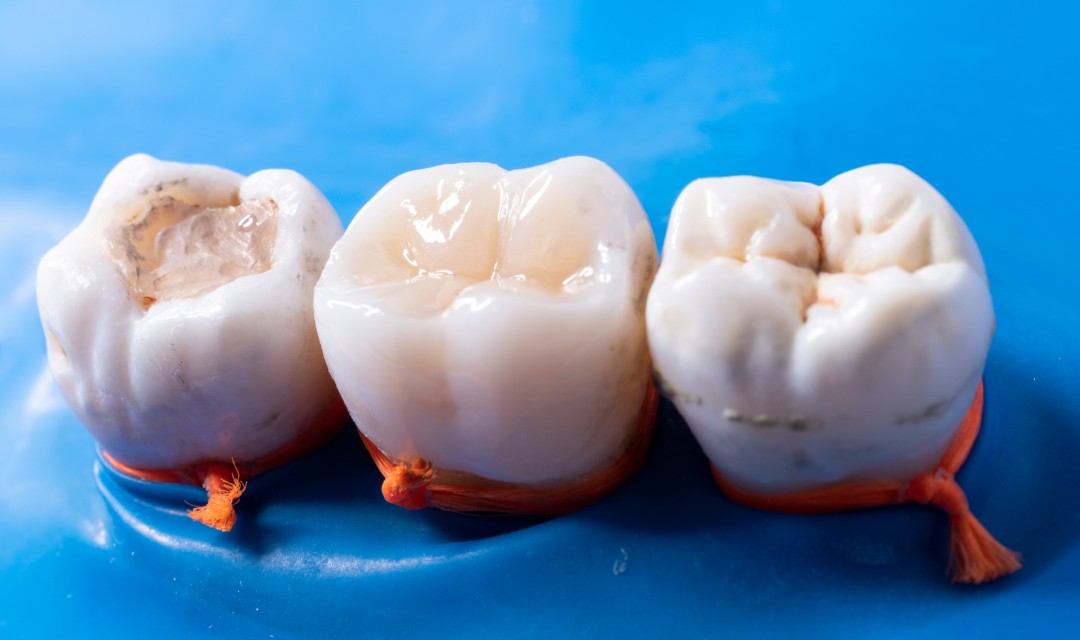
Everyone knows what a filling is, and chances are, most people have at least one. And if you’re like most people, you also likely forget about your tooth filling once it’s been placed. A dental filling is designed to restore your tooth affected by a cavity, helping you chew comfortably and protecting the remaining tooth structure from further decay. Although the materials used in fillings are made to be durable, they are not meant to last forever. In this blog, we’ll go over three reasons your filling may eventually fail, to help you recognize when it’s time to schedule a visit to your dentist and prevent a small problem from becoming a larger one.
Normal Wear and Tear
Every time you bite down or chew, your fillings experience significant pressure. Over the years, this repeated force can gradually wear down the filling material, especially if you frequently crunch on hard foods or grind your teeth. Even high-quality composite and amalgam fillings will eventually fail when they reach the end of their lifespan.
Decay Around the Filling
One of the most common reasons a filling needs replacement is when new decay develops around its edges. Bacteria can collect where the filling meets your natural tooth, especially if the seal between your tooth and the filling has weakened. Once decay forms under or around a filling, it can no longer effectively protect your tooth and should be replaced.
Cracks, Chips, and Loose Fillings
Just like with your natural teeth, your dental fillings can sustain damage if you bite down on something hard, experience facial trauma, or clench and grind your teeth (bruxism). A cracked or chipped filling may no longer fit securely, and older fillings can gradually loosen as your tooth naturally expands and contracts with temperature changes. Even a small defect in your filling can allow bacteria to enter, increasing the risk of further tooth decay.
When Should a Filling Be Replaced?
If your filling has failed, it may cause tooth sensitivity, pain when chewing, rough edges, visible cracks, or food may get trapped around the restoration. In some cases, there are no noticeable symptoms when your filling is on its last legs, which is why routine dental examinations are essential for detecting problems early and addressing them before they require a more complicated solution.
Make Sure Your Fillings Are in Good Shape
Replacing a worn or damaged filling as soon as possible helps preserve more of your natural tooth, prevents further decay, and may reduce the need for more extensive treatments. If you’re concerned about the integrity of your fillings, make an appointment with your dentist today for an examination.