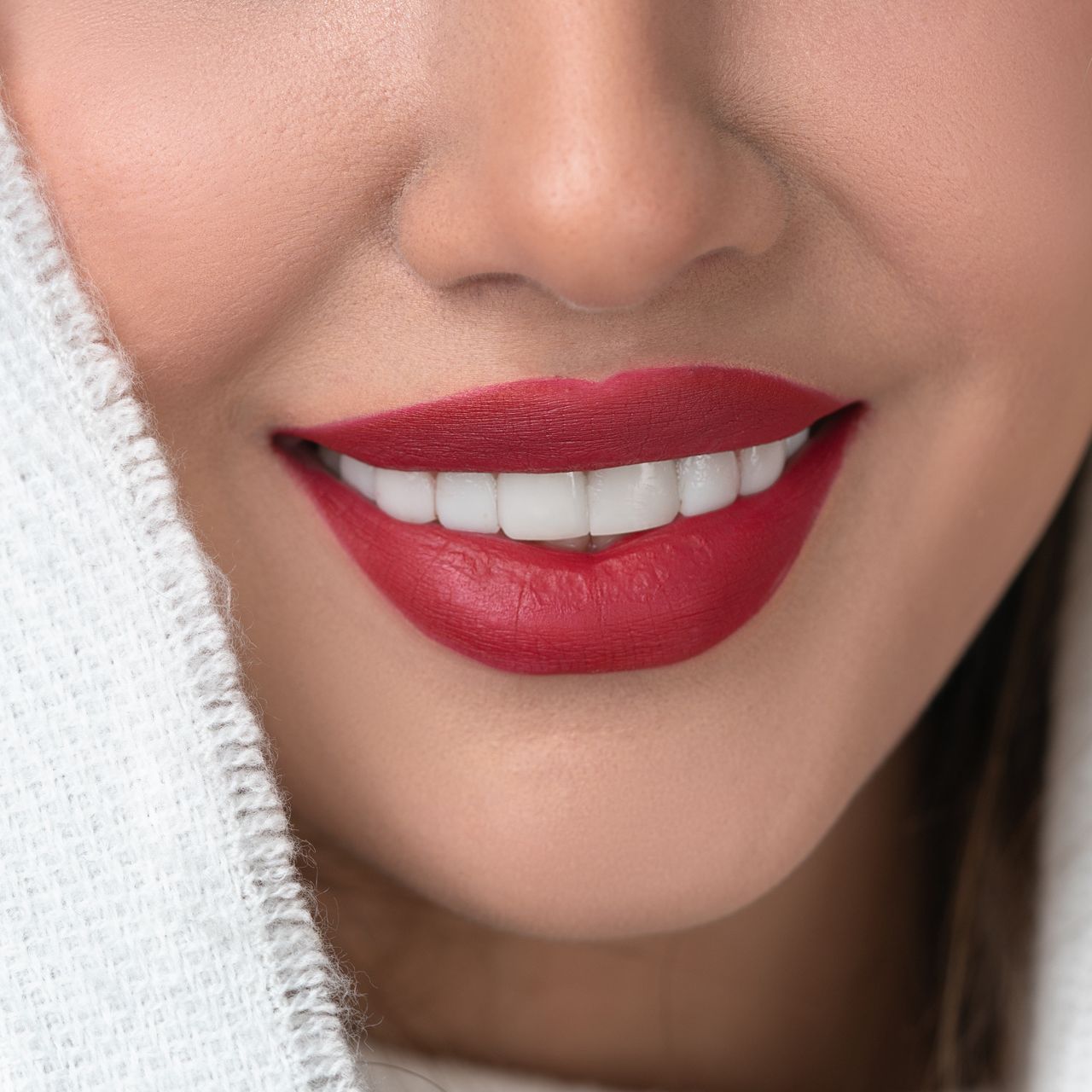
Whether you’re getting a dental crown, veneer, bridge, or tooth-colored filling, one of the biggest concerns is whether your restoration will match your existing teeth. Advances in cosmetic and restorative dentistry make it possible to create dental restorations that blend so naturally with your smile that most people won’t even notice you’ve had dental work at all. Achieving that level of realism involves much more than simply choosing the right shade of white. It requires advanced techniques, technology, and artistic skill, all combined to ensure your restorations match the color and appearance of your natural teeth as closely as possible.
More Than Just One Color
You may not know it, but your natural teeth are not a single, uniform color. They contain subtle variations in brightness, translucency, and undertones combined to make your smile unique. For example, the edges of your teeth are often more translucent than the center, while the area near your gums may appear slightly darker.
To ensure these details are included in your restoration, your dentist evaluates several characteristics of your teeth, including:
- Hue (basic color)
- Value (lightness or darkness)
- Chroma (color intensity)
This comprehensive approach to color-matching helps create beautiful, natural-looking dental restorations.
Advanced Shade-Matching Technology
While traditional tooth shade guides are a valuable tool, many dental practices also use more precise digital shade-matching technology. Specialized devices analyze your teeth with controlled lighting (ignoring the artificial lighting in the exam room) to provide highly accurate color measurements.
Your dentist may also use high-resolution photos to document subtle details of your teeth to share with the dental laboratory tasked with creating your restorations. These images help technicians reproduce your teeth’s natural characteristics, including tiny variations in color, translucency, and surface texture.
Choosing the Best Materials
The material used for your dental restoration also affects how natural it appears. Modern porcelain and ceramic restorations mimic the way your natural enamel reflects light, resulting in a more lifelike appearance. Tooth-colored composite resins are available in multiple shades and can often be layered to create the natural depth and character of real teeth.
The combination of premium materials and skilled craftsmanship allows your dental restorations to blend beautifully with your neighboring teeth.
Beautiful, Natural-Looking Results
Creating a seamless dental restoration is both a science and an art. By combining careful shade analysis, advanced technology, high-quality materials, and attention to detail, your dentist can restore damaged teeth while preserving the natural beauty of your smile. The result is a restoration that feels comfortable, functions properly, and looks like it has always been part of your radiant smile.