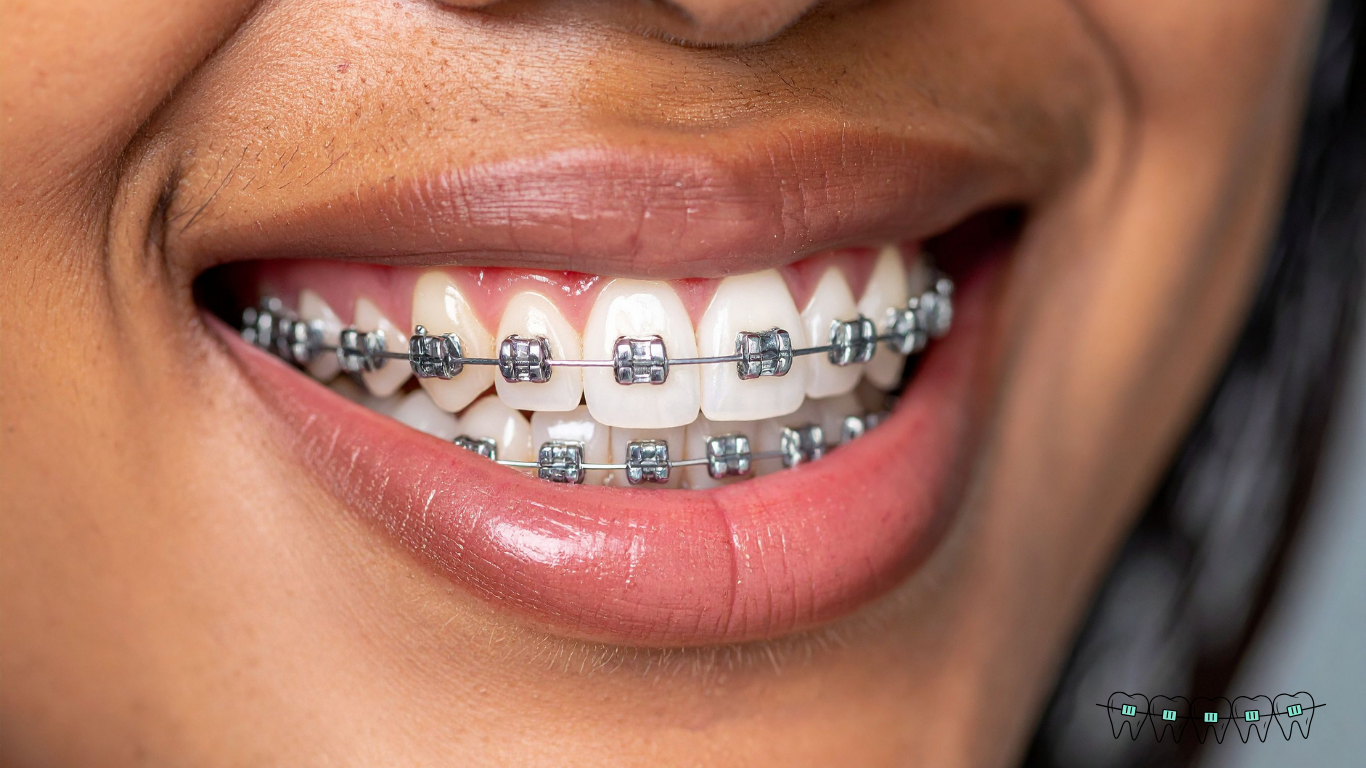
Getting braces is exciting, as you anticipate the straighter teeth that result from the treatment. However, braces are also designed to create a healthy, functional bite, which often requires more than just brackets and wires. Many patients with braces may also need rubber bands or elastics to help guide their upper and lower teeth into proper alignment. Although rubber bands may seem like a small part of your treatment, consistently wearing them can make a significant difference in achieving the smile of your dreams.
What Is the Purpose of Rubber Bands?
Rubber bands are used to create gentle, continuous pressure between your upper and lower teeth. While braces primarily move individual teeth into position, rubber bands help adjust how your jaws and teeth fit together. They are used to correct bite problems such as overbites, underbites, crossbites, and open bites by encouraging the teeth and jaws to move into better alignment.
How the rubber bands should be attached is determined based on your specific bite. Every patient’s bite pattern is unique, so it’s essential to follow your instructions carefully.
Why It’s Important to Wear Your Rubber Bands Consistently
The key to successfully treating bite concerns is wearing your rubber bands exactly as prescribed. Because the force they apply is gentle, removing them for extended periods allows your teeth and jaws to shift back toward their previous positions. This can slow your progress and even extend your overall treatment time.
If a rubber band breaks or you take it off to eat or brush your teeth, replace it as soon as possible with a new one. Regular rubber band wear keeps the necessary pressure consistent and allows your teeth to continue moving into the correct alignment according to your treatment plan.
Staying on Track With Your Rubber Bands
It’s normal to feel slightly uncomfortable for the first few days after you begin wearing rubber bands or when you switch to a new size. However, this temporary soreness is typically a good sign, because it means that your teeth are responding to the gentle pressure. As your mouth adjusts, the discomfort typically fades.
While rubber bands require a little extra commitment, they are often the key to achieving a properly aligned bite that looks great, feels comfortable, and functions well for years to come.